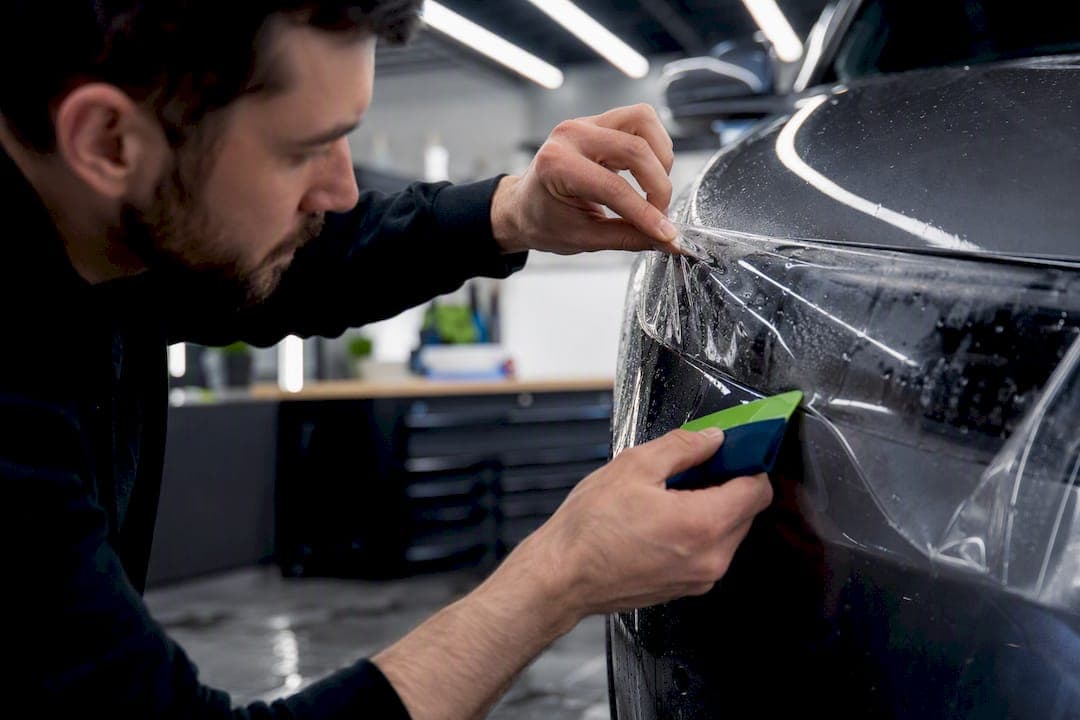
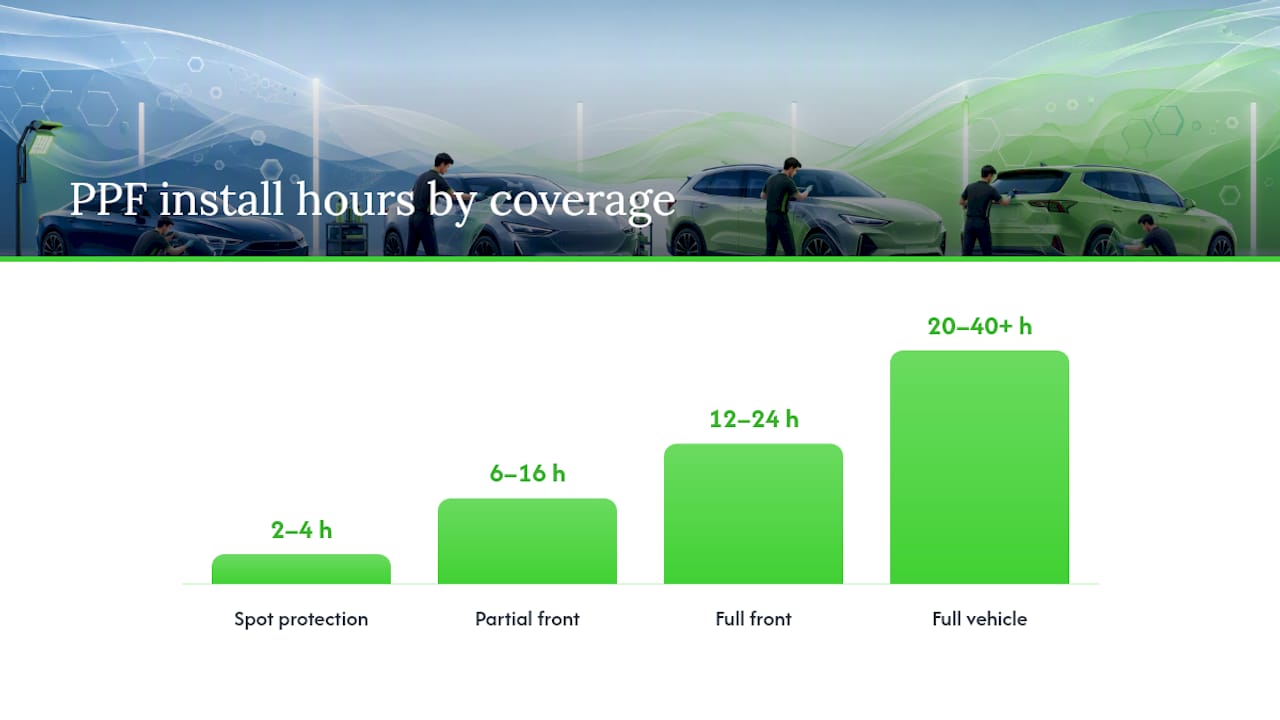
A spot application takes 2 to 4 hours. Partial front coverage runs 6 to 16 hours across 1 to 2 days. A full front install needs 12 to 24 hours spread over 1 to 3 days, and a full vehicle wrap in film typically demands 20 to 40 or more hours across 3 to 6 days in the shop. On top of that labor clock, the film needs 24 to 48 hours of initial bonding before it's fully stable, with progressive curing continuing for days after you drive off. Paint condition, vehicle complexity, and shop workflow are what push any given job toward the long end or the short end of those ranges.
TL;DR:
- Many variables, including paint condition and shop environment, can extend full vehicle PPF installation beyond the standard 20 to 40 hours, often requiring multiple days.
- Using pre-cut kits can save 4 to 6 hours compared to hand-cutting, especially on common models like Tesla Model 3 or Honda Civic.
- Weather, shop workload, and vehicle complexity significantly influence how long a PPF job takes, with detailed steps needed to avoid defects.
- Full cure of the film can take between 7 and 14 days, meaning washing and driving restrictions should be observed during this period.
- Book appointments well before use or travel, and avoid shops promising same-day full vehicle installs, as rushing increases the risk of defects and warranty issues.
Table of Contents
- How Long Does PPF Take by Coverage Type?
- What Factors Actually Change PPF Install Time?
- What Happens Day by Day at the Shop?
- How Long Does the Film Take to Cure After Installation?
- What Should You Ask Before Booking an Install?
- Is a Same-Day Full Vehicle PPF Install a Red Flag?
- How a Professional Shop Reduces Installation Risk
- Timing Your PPF Install Around Real Life
- Get a Straight Answer on Timing From Tint & Wraps Customs
- Sources
How Long Does PPF Take by Coverage Type?
Every shop quote breaks down differently, but the industry has settled into four rough coverage tiers. Knowing which one you're booking changes everything about how you plan your week.
Spot protection covers high-impact zones only, usually the front bumper edge, door cups, or mirror caps. It's the fastest job on the board because there's minimal panel prep and no complex curves to fight.
Partial front typically means the front bumper, partial hood, partial fenders, and mirrors. It's the most popular package because it protects the areas that take the most rock chips without the cost of a full front.
Full front extends coverage to the entire hood, full fenders, full bumper, mirrors, and often the A-pillars and rocker panels. This is where install time starts climbing, since full-panel wraps require precise edge tucking around body lines that a partial kit skips entirely.
Full vehicle wraps the whole car in film, door to door, roofline to rocker. It's the most time-intensive service any PPF shop offers, and it's also where the biggest range in quoted hours shows up between shops.
| Coverage type | Labor hours | Calendar days | What's typically included |
|---|---|---|---|
| Spot protection | 2–4 hours | Same day | Bumper edge, mirrors, door cups |
| Partial front | 6–16 hours | 1–2 days | Partial hood, partial fenders, bumper, mirrors |
| Full front | 12–24 hours | 1–3 days | Full hood, full fenders, bumper, mirrors, A-pillars |
| Full vehicle | 20–40+ hours | 3–6 days | Entire exterior, door to door |
Those figures line up with industry labor benchmarks that put full-vehicle installs in the 20 to 40-plus hour range, which is why almost no reputable shop will promise a same-day full wrap.
Vehicle body style matters too. A two-door coupe with simple panel lines installs faster than a three-row SUV with more surface area, tighter wheel wells, and extra badges to work around. A sedan sits in the middle. Here's roughly how that plays out for a full front package:
- Coupe or small sedan: closer to the 12 to 16 hour end of the full front range
- Mid-size sedan or crossover: 16 to 20 hours is typical
- Full-size SUV or truck: often pushes toward 20 to 24 hours because of larger hoods and fenders
Pre-cut kits change the math meaningfully. A kit cut from a CAD or plotter pattern arrives shaped to that exact vehicle model, so the installer skips the hand-patterning step entirely. Shops using pre-cut patterns can shave 4 to 6 hours off a job compared to bulk cutting and hand-trimming film on the car. If your vehicle is a common model like a Tesla Model 3 or a Honda Civic, ask whether the shop uses pre-cut patterns. On rare or newly released models, bulk cutting might be the only option, and that adds time back into the estimate.
What Factors Actually Change PPF Install Time?
Two shops quoting the same full front package on the same car can land 8 hours apart, and it usually comes down to five variables. Some of these you control. Others you don't, and the honest answer is that you're better off letting the shop take the extra time than rushing them.
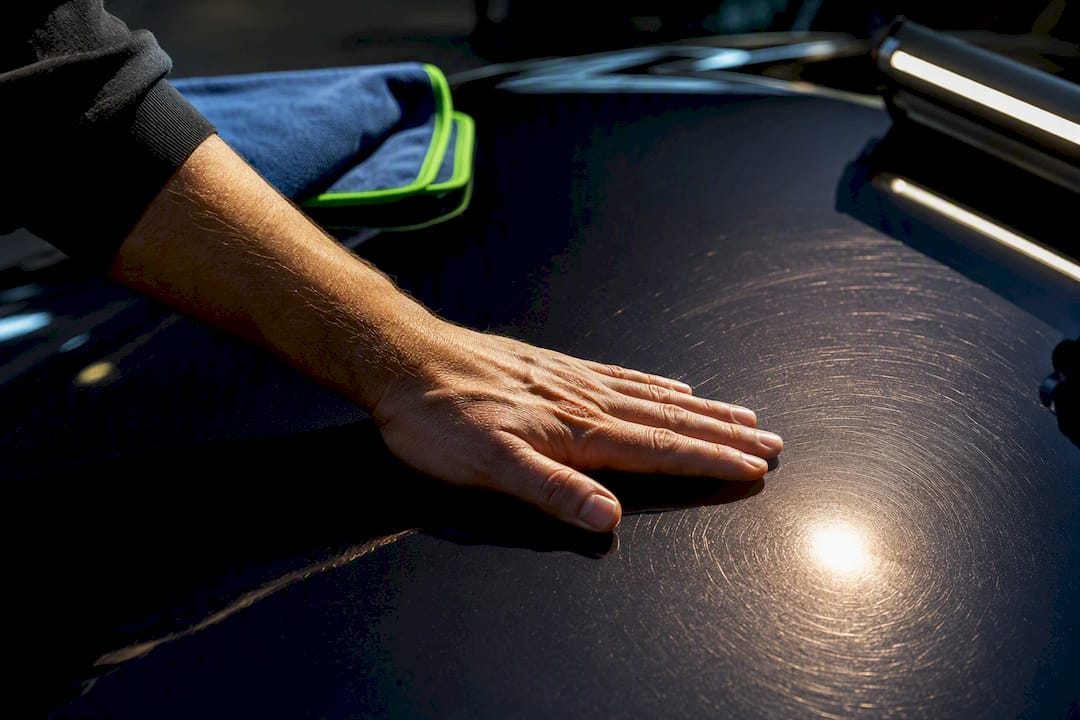
Paint condition is the single biggest wildcard. If your paint has swirl marks, light scratches, or old wax buildup, the installer needs to correct it before film goes on, because PPF locks in whatever is underneath it. A quick paint correction pass adds 1 to 3 hours. A neglected daily driver with real defects can add a half day or more. You can spot the need yourself: run your hand over the hood in direct sunlight and look for spiderweb scratching. If you see it, budget extra time.
Vehicle complexity covers everything that isn't a flat panel. Compound curves, sharp body creases, emblem cutouts, and mirror caps with tight radii all slow an installer down because the film has to stretch and conform without wrinkling or lifting at the edge. A car with minimalist styling installs faster than one with aggressive character lines or a lot of trim to remove and reinstall.
Pre-cut kits versus bulk cutting show up again here as a time factor, not just a coverage factor. Pre-cut patterns are faster and more consistent, but a hand-cut, custom-fit approach can sometimes produce a tighter edge wrap on unusual body lines. The trade-off is speed against a marginally more custom fit.
Installer skill and shop workflow matter more than most owners assume. An experienced installer tucks edges cleanly on the first pass and rarely has to reheat and reposition film. A less experienced tech, or a shop juggling too many bays at once, will take longer and risk more rework. Shop workload plays into this too. A shop with a backed-up schedule might rush a job to clear a bay, which is exactly the scenario you want to avoid.
Temperature and humidity affect how the adhesive behaves during application. Film that's too cold becomes stiff and harder to stretch. Excess humidity can interfere with how the adhesive sets. That's part of why a climate-controlled installation environment reduces weather-related delays and helps the adhesive cure predictably, cutting down on the kind of rework that stretches a two-day job into four.
Pro Tip: Ask any shop you're considering whether paint correction is included in the quoted price or billed separately after inspection, as detailed in why polish before ceramic coating your car." A shop that inspects your paint before quoting a firm number, rather than after you've already dropped off the car, is giving you a more honest timeline from the start.
What Happens Day by Day at the Shop?
A full vehicle install isn't one long shift. It's a sequence of stages, and skipping or rushing any one of them is how bubbles, edge lift, and trapped dirt end up under the film six months later.
- Drop-off and inspection. The installer walks the car with you, photographing existing chips, scratches, and panel gaps. This protects both of you and flags any paint issues that'll need correction before film goes on.
- Decontamination and paint correction. The car gets a full wash, clay bar or iron removal treatment, and any necessary polishing. This stage alone can run 2 to 5 hours depending on paint condition.
- Panel-by-panel application. The installer works one panel at a time, wetting the surface, laying the film, squeegeeing out the solution, and tucking every edge. On a full vehicle, this is genuinely multiple days of work, not one marathon session.
- Edge tucking and detail work. Mirror caps, door handles, and tight curves get individual attention here because rushing these spots is where most visible defects originate.
- Overnight set. Between application days, the film needs time to sit undisturbed so solvents can evaporate and the adhesive can start settling into the paint's texture.
- Mid-install checks. On multi-day jobs, the installer often reinspects earlier panels the next morning for any lifting or trapped moisture before moving on.
- Final inspection and pickup. The car gets a full walk-around, touch-ups on any small imperfections, and documentation, including photos and written care instructions.
That overnight set period is non-negotiable for full-panel work. Multi-stage installs typically require an overnight or multi-day set window to let solvents evaporate and adhesive settle, and trying to compress a full vehicle into one calendar day means skipping that window entirely.
A few things worth expecting on pickup day:
- Written or digital documentation of what was installed and where
- A rundown of your specific cure timeline for washing and driving
- Any warranty paperwork tied to the film manufacturer
- A chance to walk the car with the installer before you sign off
How Long Does the Film Take to Cure After Installation?
Installation finishing doesn't mean the film is finished bonding. Curing happens in stages, and each stage comes with its own rules for how hard you can be on your car.
The initial bond window runs from 0 to 48 hours after installation. During this stretch, the adhesive is still soft and vulnerable. Avoid pressure washing, automatic car washes, and parking somewhere with heavy rain exposure or sprinklers hitting the panels. Driving is generally fine during this window, but installers recommend avoiding gravel roads and harsh conditions that could shift the film before it sets.
The progressive bond phase covers roughly days 3 through 7. The film is more stable now but not fully cured. Gentle use is the rule: hand washing only, no automatic washes, no pressure washers.
Full cure typically lands somewhere between 7 and 14 days, though some products take up to 30 days depending on the film and adhesive chemistry. Many installers recommend waiting a full week before any washing at all, and using gentle hand-wash methods exclusively during that first week regardless of the film brand.
Cure time isn't uniform across every product on the market. Some fast-cure and UV-curable film systems can shorten the initial bonding window noticeably compared to traditional adhesives, which is one reason two shops using different film brands can give you slightly different aftercare timelines for the exact same coverage.
Waxing, polishing, or applying a ceramic coating over PPF should wait until the film has fully cured, and the exact timeline depends on the specific film and coating products involved. Confirm the recommended window with your installer rather than assuming a blanket 7 or 14-day rule applies universally. For a closer look at how curing windows work across other protective services, window tint has its own curing timeline worth understanding if you're getting tint and PPF done together.
A simple first-week routine: garage the car whenever possible, skip the car wash entirely, and hand wash with a pH-neutral soap and a soft mitt if it genuinely needs cleaning. Proper aftercare in that first stretch protects the film's edges from lifting before the adhesive has fully matured.
What Should You Ask Before Booking an Install?
The gap between a smooth install and a frustrating one usually comes down to what you asked before you dropped the keys off. A few precise questions save you from surprise costs and surprise timelines.
- How many labor hours is my specific vehicle and package quoted for?
- How many calendar days should I plan to be without the car?
- Is paint correction included, or billed separately if my paint needs it?
- What warranty comes with the film, and what's the manufacturer's cure guidance?
- What's your policy if you find damage or heavy contamination once you start?
An estimate that lists labor hours alone can be misleading if it doesn't also state calendar days. A full front job quoted at 16 labor hours might still take two calendar days if the shop splits it across an overnight set. Ask for both numbers.
Weather and shop backlog both affect scheduling, particularly at shops without climate control, where a heat wave or a rainy week can push appointments back. Ask about loaner availability or drop-off flexibility if you need daily transportation, and build in a buffer day beyond the quoted window. If your paint turns out to need more correction than expected, that contingency time is what keeps your schedule intact instead of blown.
Pro Tip: If a shop can't give you a straight answer on labor hours versus calendar days when you call for a quote, treat that as a signal. A shop that tracks its own timelines closely enough to answer that question fast usually runs a tighter operation overall.
For an idea of how coverage level and price track with install time, understanding typical PPF cost ranges helps you gauge whether a quoted timeline matches a reasonable price for the work involved.
Is a Same-Day Full Vehicle PPF Install a Red Flag?
Yes, in most cases. A same-day promise for full vehicle coverage usually means one of two things: the shop is skipping steps, or the shop is overstaffing a rushed job in a way that increases the odds of installer error. Either way, full-panel and full-vehicle installs are rarely safe to complete in a single calendar day without risking trapped moisture or edge lifting, because the overnight set window exists for a reason.
The most common defects from a rushed install show up weeks or months later, not on pickup day. Edge lift appears where the installer didn't have time to properly heat and tuck a corner. Trapped moisture creates a cloudy bubble under the film that never fully clears. Poor edge finishing leaves a visible line where the film should blend invisibly into the body.
Longer schedules exist because they allow for real paint correction and unhurried edge work, both of which are the difference between film that looks factory and film that looks like an aftermarket add-on.
A few quick checks before you commit to a shop:
- Ask to see warranty paperwork before the job starts, not after
- Ask whether they photograph the vehicle before and after each stage
- Look for manufacturer certification tied to the specific film brand they use
How a Professional Shop Reduces Installation Risk
The gap between a fast install and a good install almost always traces back to the shop's setup, not just the installer's hands. Some shops run PPF work out of climate-controlled facilities, which removes the temperature and humidity swings that cause adhesive problems and unplanned delays on hot or humid days.
That matters more than it sounds. A predictable environment means the adhesive cures the way the manufacturer intended every time, rather than fighting a 95-degree afternoon or a damp morning. Fewer environmental surprises translate to fewer redo jobs, and fewer redo jobs is what actually keeps a quoted timeline accurate.
Reputable PPF shops often protect many vehicles and have customer ratings, sometimes with particular experience on Tesla and other EV installations, where panel gaps, aero-specific curves, and unique badge placements demand a different approach than a standard combustion vehicle. Many shops offer PPF installs backed by manufacturer warranties, providing documented cure guidance and care instructions rather than just verbal promises on pickup day.
What to look for in any shop's documentation, whether you book with Tintandwrapscustoms or elsewhere:
- Written warranty terms that specify the film manufacturer, not just the shop's own guarantee
- Cure guidance that matches the specific film product used, not a generic timeline
- Before-and-after photo documentation of your vehicle's paint condition
Pro Tip: A shop willing to show you photos of the prep and correction stage, not just the finished result, is telling you they have nothing to hide about how the time was spent.
Timing Your PPF Install Around Real Life
Booking a PPF install isn't just a scheduling exercise. It's a question of when in your car's life the timing actually makes sense.
If you're taking delivery of a new vehicle, get film on before you've driven it more than a few hundred miles. Fresh paint has zero swirl marks or rock chips to correct, which shaves real hours off the correction stage and gets you the cleanest possible result. If a road trip is coming up, book the install with at least a week of buffer before departure, both for the labor days and for the initial cure window, since you don't want to be white-knuckling through a rainstorm on day two of bonding.
Seasonal timing matters more at shops without climate control. Extreme heat or high humidity windows can slow curing and increase the odds of installer error on jobs done outdoors or in a non-controlled bay. That's a smaller concern if your shop runs a controlled environment, but it's still worth asking about if you're booking during a heat wave or a rainy stretch.
Whatever timeline you land on, confirm two things directly with your installer before you drop the car off: the exact cure guidance for your specific film, and what loaner or pickup logistics look like if the job runs longer than quoted. Those two conversations prevent almost every scheduling headache owners run into.
— Jake
Get a Straight Answer on Timing From Tint & Wraps Customs
Most shops quote a timeline and hope the weather cooperates. Some shops install PPF inside climate-controlled facilities to help ensure timelines hold up regardless of outside weather, and some have installers familiar with Tesla or EV panel quirks.
Standard packages run on the timelines outlined above, spot work same-day, full front over a couple of days, full vehicle typically spanning several days once you account for correction and cure set. Many installs come with manufacturer-backed warranties and documented cure guidance, so customers receive clear answers on when it's safe to wash, drive hard, or add a ceramic coating on top. If you're ready to get a real number for your vehicle instead of a guess, request an estimate from Tint & Wraps Customs and get a timeline built around your actual car and schedule.
Sources
- How Long Does PPF Take to Cure? – AX Film
- PPF Installation Time: How Long Does Paint Protection Film Take - Fresh Layer
- Engineerskill
- How Long Does PPF Take to Cure After Installation? A Quick Guide - Clayton Auto Care
- How Long Does PPF Take to Cure? | ELOV