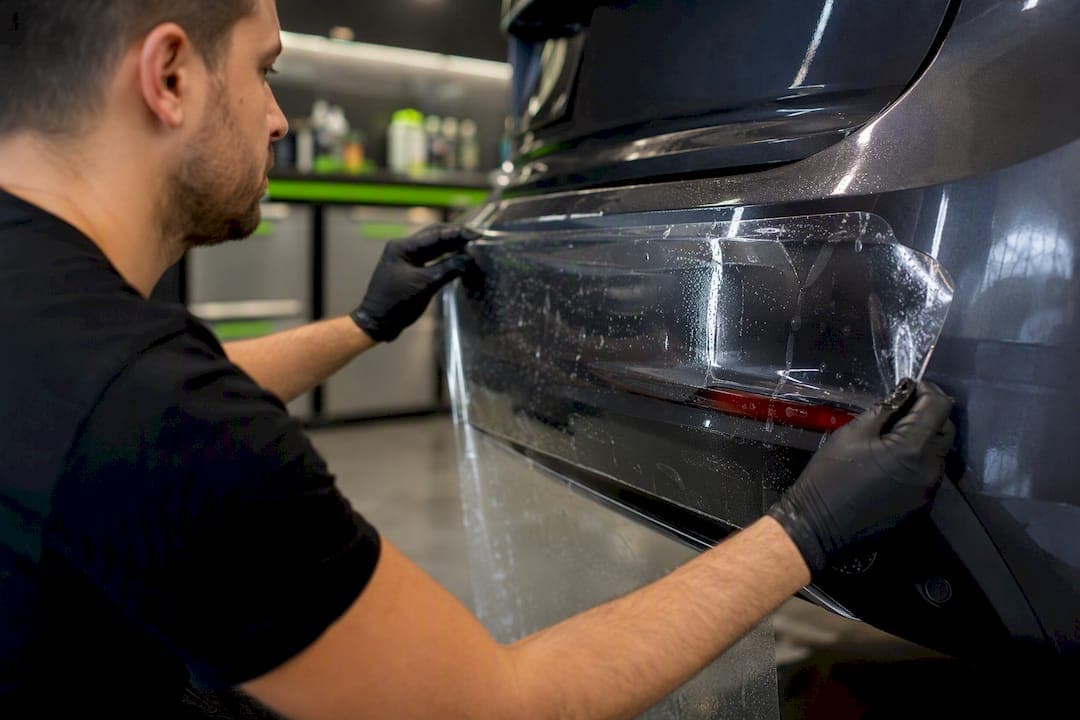
Protecting a new car's paint is worth the money for almost every owner, and the smartest approach isn't picking one product. It's matching the right protection to the right job. Paint protection film (PPF) belongs on the hood, front bumper, and mirrors, where rocks and road debris actually strike. A ceramic coating or a quality synthetic sealant handles the rest of the body, cutting down on maintenance and shielding the clear coat from UV and chemical damage.
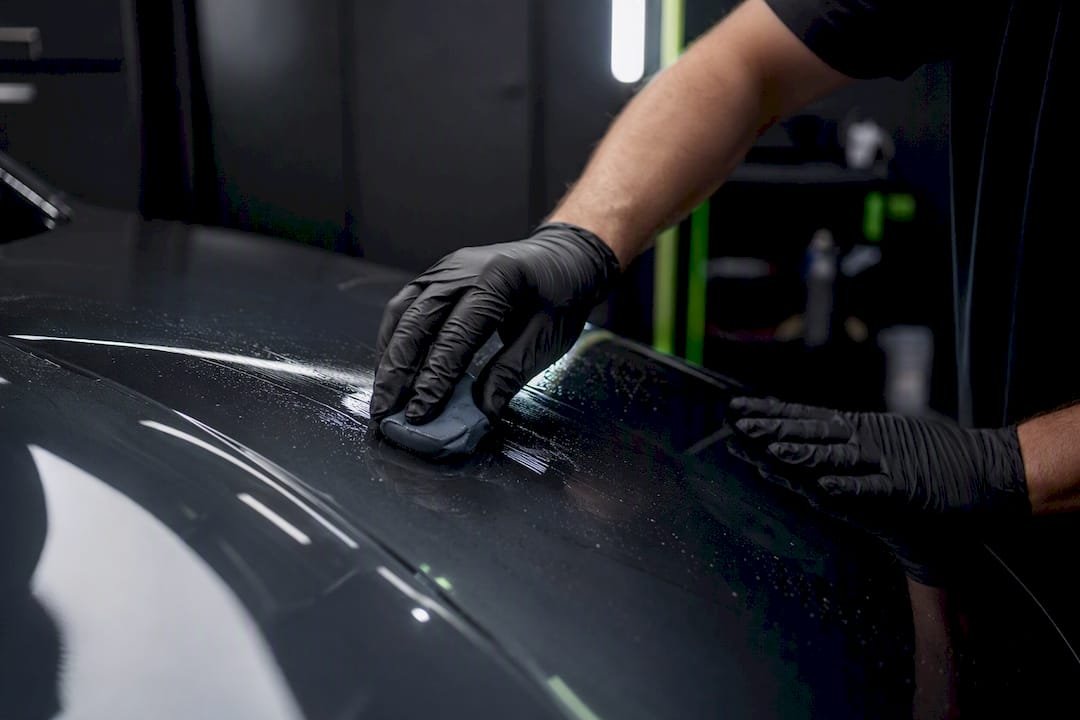
Before any of that happens, check the paint for transport contamination. New cars ride on open-air rail cars and trucks, picking up rail dust and industrial fallout that feels like rough sandpaper under your palm. That has to come off before anything gets applied, or you're sealing grit into the finish.
Go with a shop that offers manufacturer-backed warranties and installs in a climate-controlled facility. Dust, humidity, and temperature swings all wreck a PPF or ceramic install, and a documented warranty matters later if you sell or lease-return the car.
- Run your hand over the paint (not just look at it) to check for rail dust before washing.
- Choose PPF for the hood, bumper, mirrors, and rocker panels, where impact damage happens.
- Add ceramic coating or a synthetic sealant for the rest of the body to reduce wash frequency and UV fade.
- Ask any installer for warranty documentation and proof of a controlled workspace before booking.
TL;DR:
- Protect impact zones such as the hood, bumper, and mirrors with paint protection film, as these areas are most vulnerable to rocks and debris.
- Decontaminate the paint thoroughly before applying any protective products by removing rail dust with iron remover and clay bars, preventing grit from sealing into the finish.
- Use ceramic coatings for chemical and UV resistance on the entire painted surface, but rely on PPF for impact absorption on high-strike areas.
- Ensure the installer offers a manufacturer-backed warranty, works in a climate-controlled environment, and provides proof of proper prepwork before installation.
- Act quickly within 24 hours of delivery to remove contaminants like bird droppings and sap, and regularly check water beading to track coating health.
Table of Contents
- What Are the Main Types of New Car Protection?
- Does Paint Protection Actually Live Up to the Hype?
- When Should You Protect a New Car After Delivery?
- How Do You Maintain a Car After Protection Is Applied?
- What Does New Car Protection Cost, and Is It Worth It?
- Should You DIY Your Car's Protection or Hire a Pro?
- How Can You Verify a Shop's Protection Claims?
- Why Prep Matters More Than the Product You Choose
- Ready to Protect Your New Car the Right Way?
- Key Takeaways
- Sources
What Are the Main Types of New Car Protection?
Every paint protection option falls into one of two camps: something you put on top of the paint, or something you put over it like armor. Wax and synthetic sealants sit in the first camp. They're topical products that fill in clear-coat pores and add a sacrificial layer, but they wear off. Wax typically lasts a limited time, usually several weeks to a couple of months; sealants last significantly longer but also require periodic reapplication.
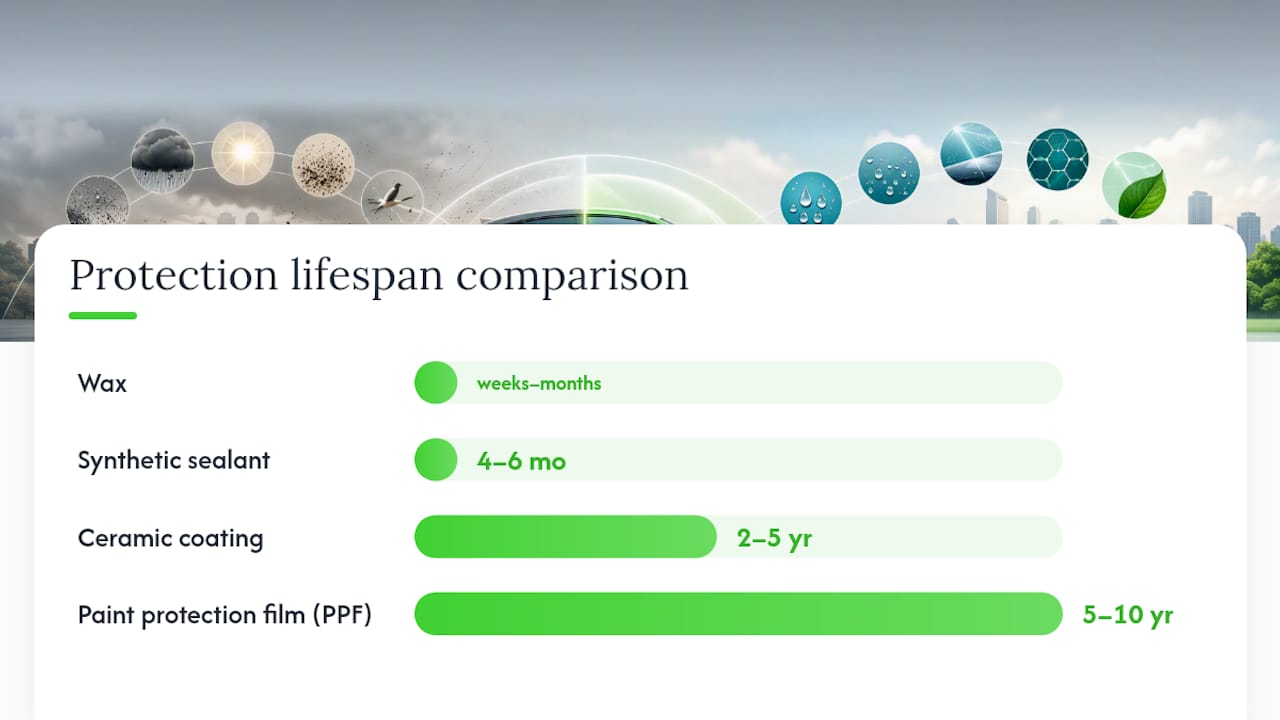
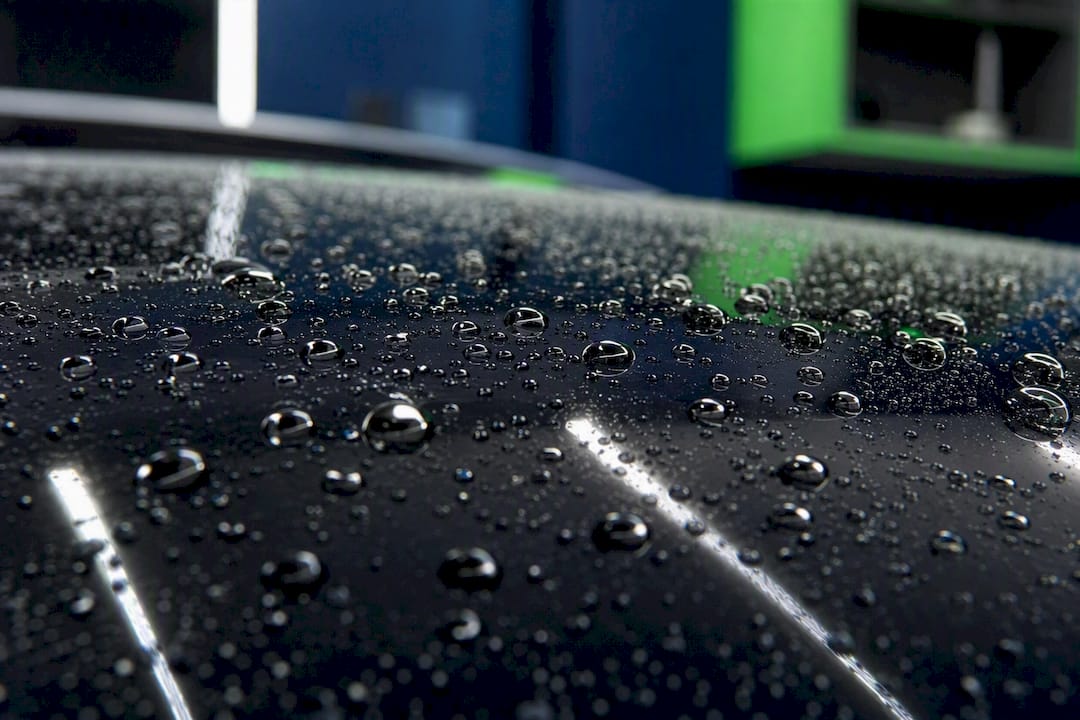
Ceramic coatings work differently. They chemically bond to the clear coat, forming a hard, glass-like layer that doesn't wash away the way wax does. According to Chemical Guys, that bonded layer creates a hydrophobic surface that sheds water and grime, and a professionally applied coating can hold up for two to five years depending on the product line and maintenance.
Paint protection film takes a completely different approach. It's not a chemical treatment at all. It's a physical shield made of thermoplastic urethane, and it's built to absorb the hit instead of preventing one. Pro-detailer guidance describes PPF as a sacrificial film for high-strike zones, with modern versions carrying self-healing topcoats that use heat to smooth out light swirls and scratches on their own.
Vinyl wraps deserve a mention too, though their job is different. A wrap changes color or finish and offers modest protection as a byproduct, not the primary function.
- Wax: cheapest, shortest lifespan, best gloss for the money, weekly to monthly upkeep.
- Synthetic sealant: a step up from wax, four to six months of protection, still topical.
- Ceramic coating: bonded, hydrophobic, two to five years, dramatically easier washing.
- PPF: physical impact barrier, five to ten years depending on the film, ideal for hoods and bumpers.
- Vinyl wrap: cosmetic-first, moderate scratch resistance, multi-year lifespan.
Coverage patterns matter as much as the product. A partial-front PPF package (hood, bumper, mirrors, headlights) covers the zones that take the most rock chips without the cost of a full wrap. Full-front or full-body PPF makes sense for daily highway commuters or owners who plan to keep the car a decade. Ceramic coating, by contrast, usually goes on the entire painted surface since its job is chemical and UV resistance, not impact absorption.
Does Paint Protection Actually Live Up to the Hype?
No coating or film is scratch-proof, and any installer who tells you otherwise is selling something. Ceramic coatings resist chemical etching, bird droppings, and UV oxidation far better than bare paint, but they won't stop a rock chip or a shopping cart ding. PPF handles impact damage well but isn't invincible. Cheap, thin films can lift at the edges within a year or yellow under sun exposure, which is why film quality and installer skill both matter more than the sales pitch.
Dealership protection packages add another wrinkle. A bundle offered at the finance desk might sound comprehensive, but Buick's own protection plan page shows how these packages bundle unrelated items like tire and wheel coverage with paint protection, and quality varies widely by dealer. Specialist detail shops typically spend more time on decontamination and correction before applying anything, which is where the real durability comes from.
- Confirm what prep work is included before comparing any two protection quotes.
- Ask whether the ceramic coating or PPF carries a written, transferable warranty.
- Request to see the actual film or coating brand being used, not just a generic label.
- Combine PPF on high-strike panels with a ceramic top coat for both impact and chemical resistance.
Pro Tip: A PPF-plus-ceramic combo isn't overkill. Layering a ceramic top coat over PPF on the front end makes the film easier to clean and adds a slicker finish, while the rest of the body gets ceramic alone.
When Should You Protect a New Car After Delivery?
The window that matters most is the first few days to a few weeks after delivery, and prep comes before product every time. Skipping decontamination and coating over embedded rail dust traps abrasive particles under the film or ceramic layer, which accelerates wear instead of preventing it.
- Wash the car using the two-bucket method to avoid dragging grit across the paint.
- Apply an iron remover to dissolve embedded metallic particles from rail transport.
- Follow with a clay bar to lift any remaining bonded contaminants the iron remover missed.
- Wipe the surface with isopropyl alcohol to strip oils and residue before bonding any product.
- Address swirls or light defects with paint correction if the surface calls for it.
- Apply PPF and ceramic coating only after the paint is clean, corrected, and fully dry.
If paint correction is needed, push the protection appointment back rather than rushing. Coating over unresolved swirl marks locks in the defect, and PPF over correction dust just wastes the film's adhesion.
How Do You Maintain a Car After Protection Is Applied?
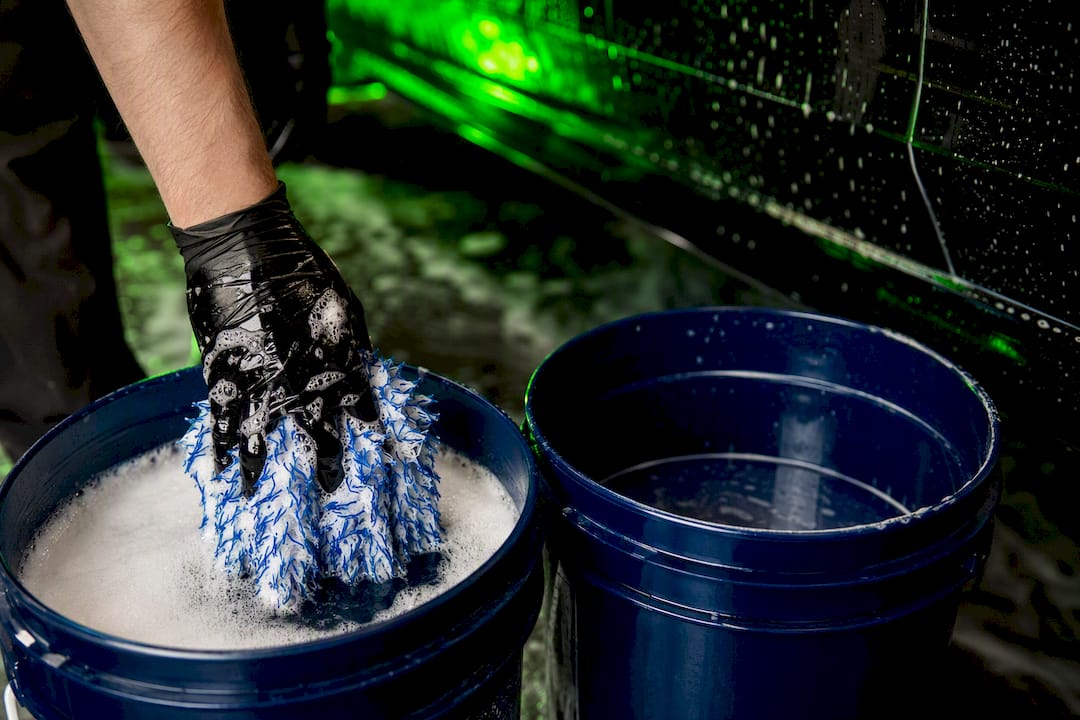
Washing habits change once protection is in place, but they don't disappear. Stick with the two-bucket method: one bucket of soapy water, one for rinsing the mitt, ideally with a Grit Guard insert to keep grit off the mitt. Use a pH-neutral soap, a plush microfiber wash mitt, and dry with a high-GSM towel or a filtered air blower to avoid new swirl marks.
Bird droppings and tree sap are the two things to act on immediately, not later. Their acidity can etch through a sealant and even stress a ceramic coating if left too long. Detailing professionals point to a roughly 24-hour window for safe removal before the damage becomes permanent, so keep a quick detailer spray and a soft towel in the trunk.
Water behavior tells you a lot about coating health. Tight beading that sheets off the hood means the hydrophobic layer is intact. Water that spreads flat or sits in sheets instead of beads is your signal that a ceramic coating or sealant is breaking down and needs a maintenance top-up or reapplication.
- Rinse and hand-wash every one to two weeks; more often if you park under trees or near the coast.
- Check for beading loss monthly. Flat-sheeting water means it's time to refresh the coating.
- Book an annual inspection at a detail shop to check PPF edges for lifting and confirm coating thickness.
- Remove bird droppings, sap, and bug splatter the same day you notice them.
What Does New Car Protection Cost, and Is It Worth It?
Cost scales with coverage and product quality, and each tier serves a different kind of owner. DIY wax or a spray sealant runs cheapest but demands the most frequent reapplication. A mid-tier professional ceramic coating costs more upfront but drops your maintenance workload for years. Partial-front PPF sits in the middle of the price range, while full-front or full-body PPF paired with a ceramic top coat represents the highest investment and the longest protection window.
Documentation matters at resale or lease turn-in more than most owners expect. A car with a warranty-backed ceramic coating history and receipts for PPF installation gives a buyer or dealer concrete proof the paint was cared for, not just a claim.
- Ask every quote what decontamination and correction steps are included before application.
- Compare warranty length and whether it's transferable to a future owner.
- Factor in your use case: a high-mileage commuter benefits most from full PPF, while a garage-kept collectible may only need ceramic.
- Confirm the shop's policy on film removal or repair if a panel gets damaged later.
Should You DIY Your Car's Protection or Hire a Pro?
Some protection tasks are genuinely DIY-friendly. Waxing, applying a spray ceramic detailer, and routine two-bucket washing are all things an attentive owner can handle in a driveway. PPF installation, multi-stage paint correction, and professionally bonded ceramic coatings are not. Those require a controlled environment, film-cutting software or pre-cut patterns, and enough experience to avoid trapping dust or stretching the film unevenly.
When vetting a shop, look for a climate-controlled installation bay, a documented manufacturer-backed warranty, and a track record measured in vehicles completed, not just years in business. Tesla and other EV owners should specifically ask about experience with those body panels and flush-mount trim, which behave differently during film installation than traditional gas-engine vehicles.
- Ask to see before-and-after photos of a similar vehicle, not just a stock gallery.
- Request the warranty paperwork before, not after, the job is booked.
- Walk away if a shop skips decontamination or rushes the timeline to same-day turnaround.
- Expect PPF cure time of a few days before washing, and follow the shop's specific post-install instructions.
Pro Tip: A rushed PPF install is the single biggest cause of edge lifting down the road. If a shop promises same-day drop-off and pickup for a full-front film job, that's a red flag, not a convenience.
How Can You Verify a Shop's Protection Claims?
A shop's proof points only matter if you can check them. Climate-controlled installation prevents dust and humidity from ruining film adhesion or coating cure time, which is why it's worth asking directly whether the bay is temperature and particulate controlled. A manufacturer-backed warranty gives you paperwork that transfers if you sell the car, not just a verbal promise. Experience with a high volume of vehicles, especially EVs and Teslas with their unique panel gaps and trim, signals an installer has seen the edge cases that trip up less experienced shops.
Ask any shop for warranty documentation, a sample of recent installs, and specifics on their facility conditions before committing. A shop with nothing to show on any of the three isn't ready to protect a car you just spent real money on.
Tint & Wraps Customs has protected more than 1,000 vehicles from its Van Nuys facility and holds a 5-star customer rating, built on exactly these fundamentals: a controlled workspace, documented warranties, and dedicated experience with Tesla and EV installs.
- Ask for warranty documents in writing before the appointment, not after.
- Request photos of comparable vehicles the shop has completed.
- Confirm the facility is climate-controlled, especially for PPF and ceramic jobs.
Why Prep Matters More Than the Product You Choose
Most advice on this topic obsesses over which ceramic brand or which PPF film wins a durability contest. That misses the bigger variable. A mediocre coating applied over properly decontaminated paint outperforms a premium coating trapped over rail dust and industrial fallout. Prep is the multiplier, and it's the step owners skip most often because it's invisible once the shine goes on.
The other place conventional advice falls short is treating protection as a single decision. It isn't. Impact protection and chemical resistance are different jobs, and pretending one product solves both leads to disappointment, either a scratched hood under a beautiful ceramic finish or a chip-resistant front end that still oxidizes under UV.
If you take one thing from this guide, prioritize the decontamination step before you even shop for products. Everything else, film brand, coating tier, wax versus sealant, matters less than starting with genuinely clean paint.
— Jake
Ready to Protect Your New Car the Right Way?
Reading about iron removers and clay bars is useful, but most owners don't want to spend a Saturday decontaminating a car themselves before applying film or coating. Tintandwrapscustoms handles the entire process in one visit at its climate-controlled Van Nuys facility, from transport-contamination removal through PPF installation and ceramic bonding, so you skip the guesswork on timing and product compatibility.
That matters most in the first few weeks after delivery, when a rushed or DIY job can trap contaminants under a coating instead of protecting the paint. Every install comes backed by a manufacturer-supported warranty, and the shop's Tesla and EV experience covers the panel quirks that trip up less specialized installers. With more than 1,000 vehicles protected and a 5-star rating, it's built specifically for owners who want the prep done right the first time. Book a consultation to get a quote on PPF, ceramic coating, or a combined package for your new car.
Key Takeaways
Protecting a new car works best when impact zones get PPF and the rest of the body gets a ceramic coating or sealant, but only after full decontamination.
| Point | Details |
|---|---|
| Prep before product | Remove rail dust with an iron remover and clay bar before applying any coating or film. |
| Match protection to the job | Use PPF on hoods and bumpers for impact resistance; use ceramic coating for chemical and UV resistance. |
| Watch for beading loss | Flat-sheeting water instead of tight beads signals it's time to refresh a coating or sealant. |
| Act fast on contaminants | Remove bird droppings and tree sap within about 24 hours to avoid etching the clear coat. |
| Verify installer credentials | Tintandwrapscustoms backs installs with manufacturer warranties, a climate-controlled facility, and over 1,000 vehicles protected. |
Sources
- How you can ruin your car paint (UTI blog)
- How to Protect the Paint on a New Car Pro-Detailer Secrets
- New Car Paint Protection - Chemical Guys