For nearly all modern car owners, especially Tesla and EV drivers or anyone with a glass roof, nano-ceramic window film is the best balance of heat rejection, longevity, and electronics compatibility. If your budget is tight, carbon film is the sensible middle ground. Dyed film only makes sense for a short-term cosmetic fix before you sell the car.
The next move is simple: book a professional installer with a climate-controlled shop, documented Tesla/EV installation experience, and a manufacturer-backed warranty.
- Most drivers, including Tesla/EV owners: nano-ceramic film
- Budget-conscious but want durability: carbon film
- Short-term or resale-only needs: dyed film, with realistic expectations about fading
- Next step: get quoted by a shop like Tint & Wraps Customs that installs in a controlled environment and backs the work with a real warranty
Key Takeaways
Nano-ceramic film delivers the strongest heat rejection and longest lifespan of any tint type, making it the right default for most vehicles and essential for Tesla and EV glass roofs.
| Point | Details |
|---|---|
| Choose ceramic for most cars | Best heat rejection and a 15+ year lifespan with no fading or purpling risk. |
| Carbon works as a budget compromise | Lasts 8 to 10 years and handles heat far better than dyed film. |
| Skip dyed for long-term ownership | Fades or purples within 3 to 5 years, especially in hot climates. |
| Prioritize glass roofs on EVs | Ceramic tolerates high surface heat and won't interfere with Tesla electronics. |
| Vet your installer carefully | Look for a climate-controlled facility, Tesla experience, and written warranty terms, all of which Tint & Wraps Customs provides. |
Table of Contents
- What Dyed, Carbon, and Ceramic Window Tint Actually Do
- Why Tesla and EV Owners Should Prioritize Ceramic Tint
- How Do You Choose a Professional Window Tint Installer?
- What Happens During Installation and How Long Does Curing Take?
- How Long Does Window Tint Last and How Do You Maintain It?
- What Fifteen Years in This Business Teaches You About Tint
- Book a Tesla-Ready, Climate-Controlled Tint Install
- Sources
What Dyed, Carbon, and Ceramic Window Tint Actually Do
Every film type blocks nearly the same amount of UV light, but that's where the similarity ends. Modern dyed, carbon, and ceramic films all block roughly 99% of UV rays, so if UV protection alone is your goal, any of them technically qualifies. Heat rejection and durability are where the real differences show up, and they're the reasons a $150 tint job and a $700 tint job can feel completely different two summers later.
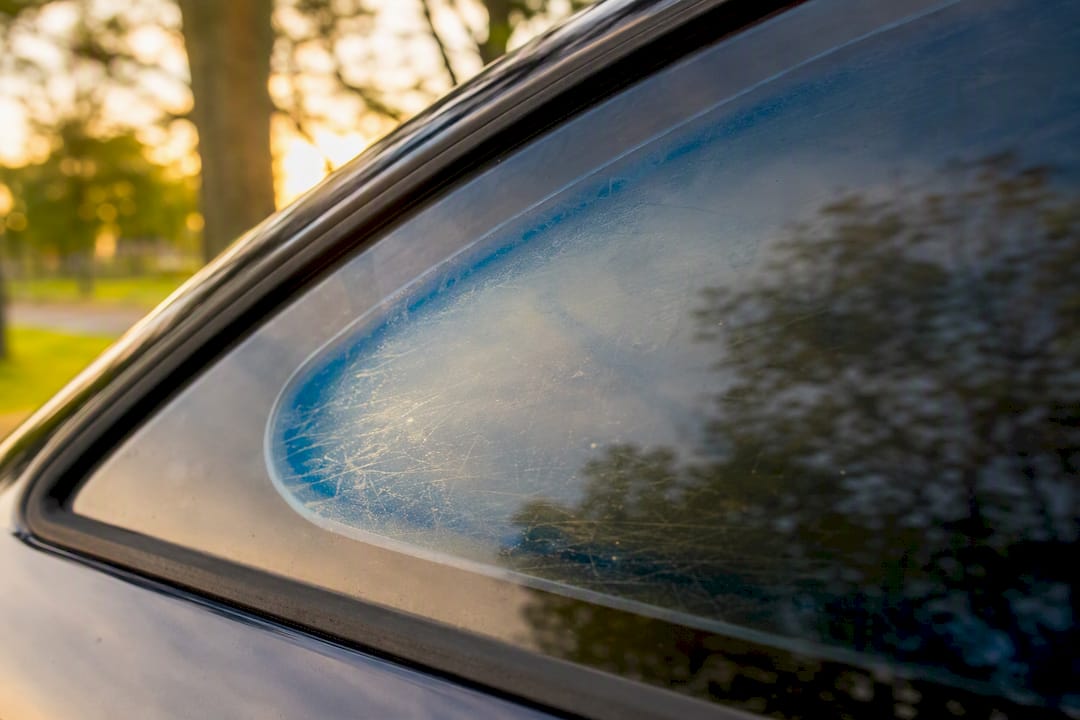
Dyed film works by layering colored dye between adhesive and a protective topcoat. It's the cheapest option and looks fine on day one, but the dye itself isn't stable. Under sustained sun exposure, dyed film tends to fade and shift toward a purplish hue within several years, especially in hot, sun-heavy regions. It also does the least to block infrared heat, so your dashboard still bakes even with dark dyed film installed.
Carbon film uses carbon particles instead of dye, which gives it a deeper, non-reflective black finish that doesn't fade the same way. Carbon film typically lasts around 8 to 10 years and rejects meaningfully more heat than dyed film, without the electronics risk that older metalized films carried.
Nano-ceramic sits at the top. It uses ceramic nanoparticles that are non-metallic and non-conductive, so it doesn't interfere with radio or cell signals the way old-school metalized film sometimes did.
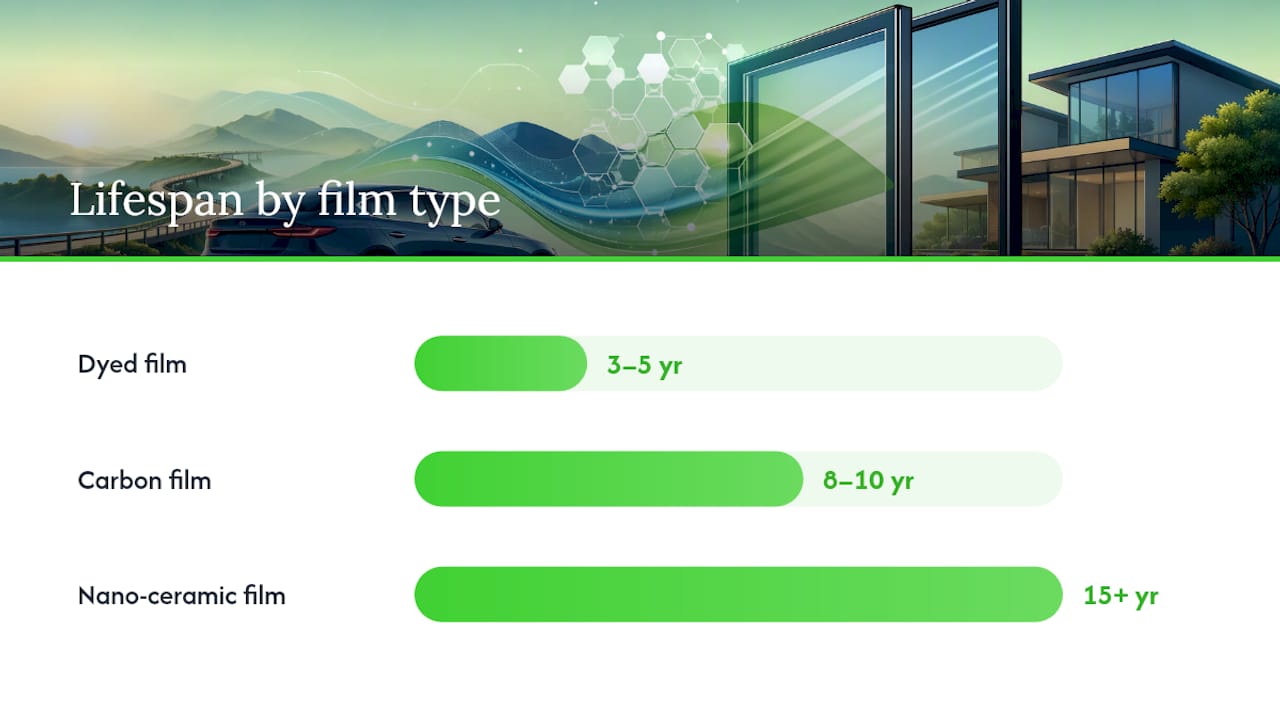
Quick reference on lifespan by film type: Polar Tint's comparison of installed films shows ceramic film can hit high IR rejection levels and commonly lasts 15 or more years without fading or purpling, while dyed film fades within several years and carbon lands in the 8 to 10 year range. That gap compounds: a ceramic install often outlasts two or three dyed installs over the life of a vehicle.
- Dyed: lowest cost, lowest heat rejection, fades or purples in 3 to 5 years
- Carbon: mid-tier cost, solid heat rejection, holds color for 8 to 10 years
- Ceramic: highest upfront cost, best heat rejection, stable for 15+ years
Why Tesla and EV Owners Should Prioritize Ceramic Tint
Glass roofs change the math on which film you should choose. Panoramic and full-glass roofs run hotter than a standard tinted windshield header ever does, and dyed film is prone to delaminating or fading faster under sustained heat, turning a cosmetic upgrade into a redo job within a couple of years.
Electronics compatibility matters just as much. Ceramic film is non-metallic and non-conductive, so it won't interfere with your phone key, GPS, or Autopilot sensors, which is exactly the kind of failure you don't want to discover after the film is already installed. Better infrared rejection also means less heat load inside the cabin, which can trim how hard your climate system works to cool things down, a small but real efficiency win on an EV where every bit of range matters.
Pro Tip: If your budget doesn't stretch to full ceramic everywhere, prioritize the windshield strip, front doors, and any panoramic glass for ceramic, and put carbon on the rear windows. It's a common professional recommendation that protects the areas taking the most heat and UV exposure without blowing the budget.
- Front glass and glass roofs: ceramic first, no exceptions on a Tesla
- Rear windows: carbon is an acceptable compromise if cost is a factor
- Want protection without a dark look? Clear ceramic tint retains IR rejection at a higher VLT
- For a deeper technical breakdown, see ceramic versus carbon tint
How Do You Choose a Professional Window Tint Installer?
Picking the right shop matters more than picking the right film, because even great film performs poorly with a sloppy install. Here's what actually separates a reliable installer from one you'll regret hiring.
- Confirm they install in a climate-controlled facility. Dust, humidity, and temperature swings during application cause bubbling and poor adhesion down the road.
- Ask specifically about Tesla or EV experience. Panoramic glass, curved rear windows, and sensor placement all require techniques a shop that mostly does older sedans may not have practiced.
- Get the warranty in writing before you pay a deposit. A manufacturer-backed warranty should cover fading, bubbling, and adhesive failure, not just the labor.
- Check for proof of past installs and real reviews, not just a portfolio page with stock photos.
When you're getting quotes, ask these questions directly:
- What brand and grade of film are you installing?
- What's the IR rejection or TSER rating for that film?
- How long is the warranty, and what voids it?
- What's your removal policy if I need the film taken off later?
- How long does curing take before I can roll the windows down?
Red flags worth walking away from: an installer who only offers dyed film, can't produce warranty paperwork, gives vague answers about film specs, or works out of an open garage bay with no climate control. A controlled environment and documented warranty aren't upsells. They're the difference between a finish that seals cleanly at the edges and one that lifts within a year.
What Happens During Installation and How Long Does Curing Take?
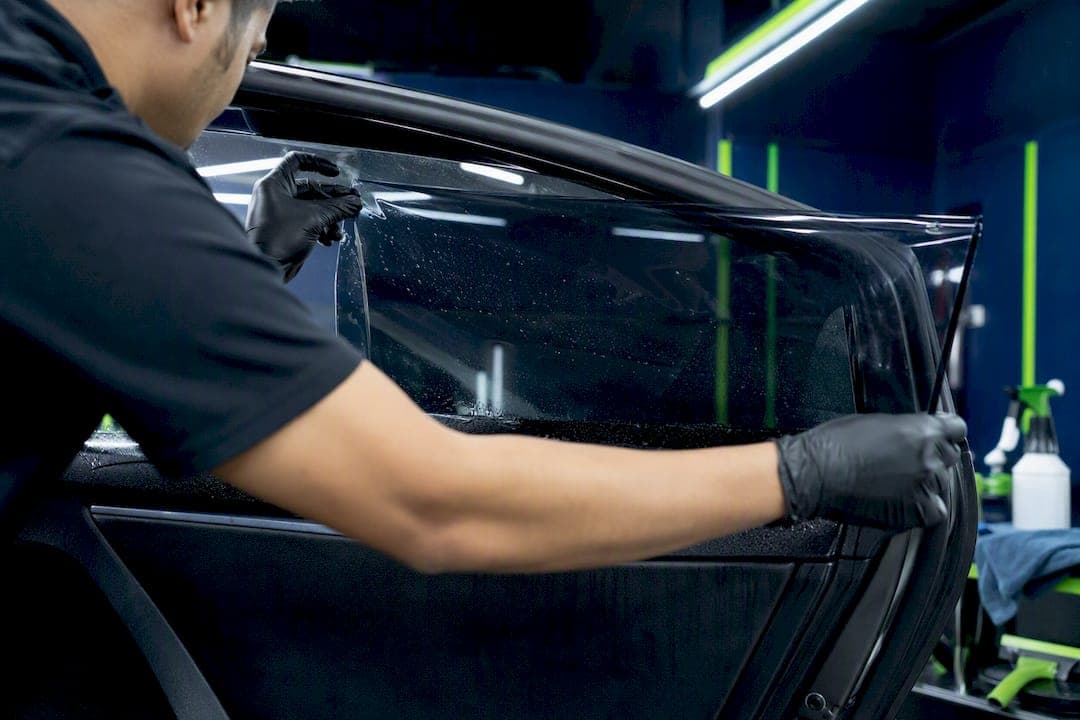
A full sedan install typically takes a few hours. SUVs and Teslas with panoramic glass roofs take longer because of the extra surface area and the care needed around defroster wires and curved rear glass.
- Day of install: the vehicle is cleaned, glass is prepped, and film is cut and applied window by window, with extra attention paid to laminated windshields and any defroster grid on the rear glass.
- Immediately after: expect some haziness or small water pockets under the film. That's normal and clears as it cures.
- First few days: avoid rolling your windows down and skip automatic car washes while the adhesive fully sets.
- Signs of a quality job: even edges with no lifting, no visible bubbles, and photos documenting the before and after condition of your glass.
A good shop will walk you through exactly when it's safe to resume normal use rather than leaving you guessing.
How Long Does Window Tint Last and How Do You Maintain It?
Lifespan tracks directly with film type. Dyed film runs 3 to 5 years before fading or purpling, carbon holds up for roughly 8 to 10 years, and quality ceramic can go 15 years or more, though extreme heat climates will push any film toward the shorter end of its range.
- Clean with a soft microfiber cloth and non-ammonia cleaner. Ammonia breaks down film adhesive over time.
- Keep your service receipt. Most warranties require proof of professional installation to stay valid.
- Watch for bubbling, edge lift, purpling, or a noticeable jump in cabin heat. Any of those means it's time for a warranty check or replacement.
- For general glass care between tint services, a streak-free cleaning method helps protect the surface without introducing harsh chemicals near the film edges.
What Fifteen Years in This Business Teaches You About Tint
Most people shopping for tint focus entirely on how dark it looks in the parking lot. That's the wrong metric. The film that looks best on day one is often the one that ages worst, because dark dyed film hides fading longer before it turns purple and blotchy.
What actually separates a good tint job from a bad one rarely comes up in sales conversations: it's whether the installer controls dust and humidity during application, and whether they'll stand behind the film in writing. I've seen ceramic film installed poorly outperform expensive film installed carelessly, and that gap only shows up eighteen months later when it's harder to trace back to the install day. Ask about the shop's process before you ask about the brand name on the film roll.
— Jake
Book a Tesla-Ready, Climate-Controlled Tint Install
Tint & Wraps Customs runs every installation inside a climate-controlled facility in Van Nuys, which means no dust contamination, no humidity-driven bubbling, and edges that seal the way they're supposed to the first time. The shop has protected more than 1,000 vehicles, carries a 5-star customer rating, and has specific experience with Tesla and EV glass, including panoramic roofs and the electronics concerns that come with them.
Every install comes with a manufacturer-backed warranty, and the team works with nano-ceramic and carbon film depending on your budget and vehicle. When you call for a quote, ask about the film brand, its IR/TSER rejection specs, warranty length, and expected curing time, the same questions this guide walks through above. You'll get straight answers, not a sales script.
Ready to see pricing for your vehicle? Visit Tint & Wraps Customs to request a quote and get your install scheduled.
Sources
- Types of Car Window Tint
- Tesla Window Tint: Why Bay Area Drivers Choose Ceramic Tint
- Ceramic vs Carbon vs Dyed Window Film | KSB Window Film