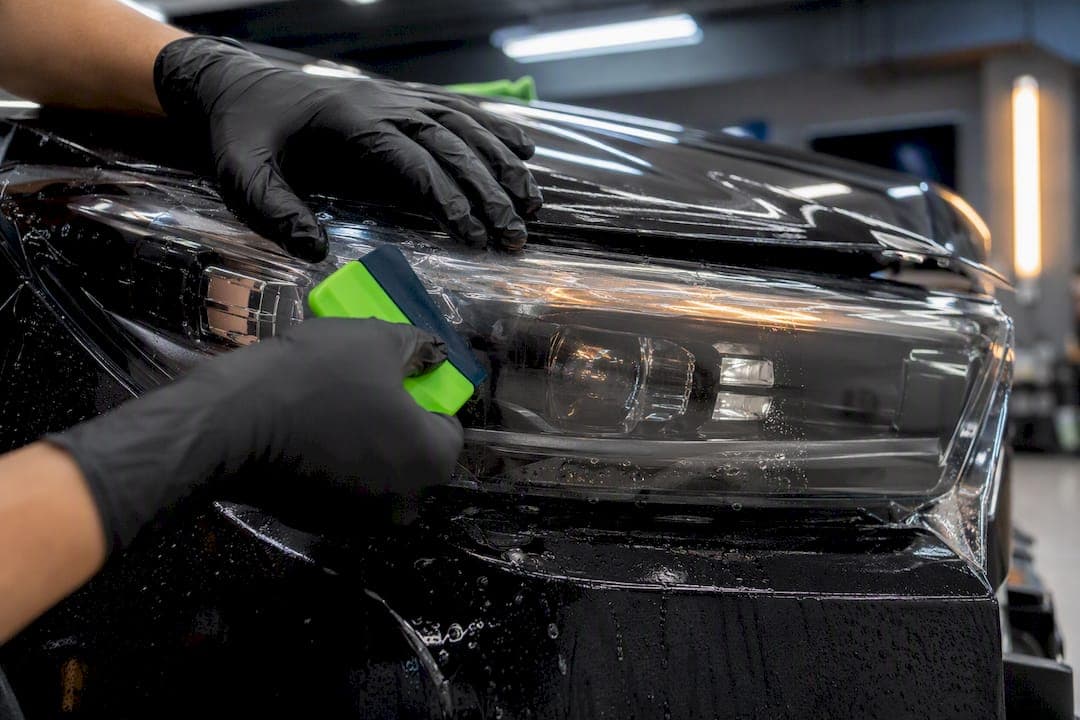
Headlight tint is legal in California only when it does not change the required white or yellow forward-facing color and does not cut light output below what the law demands. That standard comes straight from California Vehicle Code Article 15, including Section 25950, which is backed up by Sections 24250 and 24400 on when and how headlamps must function. If you're set on styling your headlights, clear paint protection film or clear ceramic tint is the safer bet, and keeping your product spec sheet and installer paperwork on hand is what actually protects you during a stop.
TL;DR:
- Headlight tint that alters color to blue or amber or reduces light output below legal standards is likely non-compliant, even if the film is approved for purchase.
- Clear protection films or ceramic tints are best for maintaining the required white or yellow light and avoiding violations during roadside inspections.
- State law focuses on the emitted color and brightness of headlights, not the presence of aftermarket tint products, so light transmission testing is essential.
- Most violations result in fix-it tickets, requiring temporary removal or repair within weeks and documented proof to avoid higher fines and penalties.
- Proper compliance involves verifying light transmission percentages, DOT or SAE markings, and avoiding films that indicate "reduced light output" or cause visible color shifts when headlights are on.
Table of Contents
- What Does California Law Require for Headlight Tint?
- What Happens If You Get Pulled Over for Headlight Tint?
- Which Headlight Films Actually Stay Street Legal?
- Your Compliance Checklist Before Installing Headlight Film
- How We Verify Compliant Headlight Installs
- Styling vs Safety: Where to Draw the Line
- Get Headlight Protection That Won't Cost You a Ticket
- Primary Sources and Further Reading
- Sources
- FAQ
What Does California Law Require for Headlight Tint?
Three sections of the California Vehicle Code do the heavy lifting here, and each one governs something different.
Section 24400 sets the baseline: most vehicles need at least two working headlamps whenever you're driving in darkness or in weather bad enough to limit visibility to under 1,000 feet. This isn't about tint directly, but it establishes the standard your headlights have to meet no matter what film sits on top of them, according to California Vehicle Code § 24400.
Section 24250 works alongside it, requiring lighting equipment to be turned on and functional during those same darkness and low-visibility conditions.
Section 25950 is the one that actually decides whether your tint job is legal. It spells out permitted colors for vehicle lamps, and forward-facing lights must emit white or yellow light, while rear-facing lamps must generally show red. This is the statute that trips people up, because it doesn't regulate the film itself. It regulates the color and intensity of the light that comes through it.
That distinction matters more than most drivers realize. A film can be perfectly legal to purchase and install, and still put your car out of compliance the moment it changes what color the light looks like from outside the vehicle, or drops the output below what's required. Justia's excerpt of Section 25950 makes clear that measured light color and visibility, not the presence of aftermarket material, are what determine legality.
Federal rules add another layer. FMVSS 108 governs the bulbs, housings, and lamp assemblies themselves, requiring DOT or SAE certification for replacement parts. A tint film doesn't need its own federal certification, but if you're swapping housings or bulbs along with your styling project, those components do need to meet FMVSS 108. Here's what to check before you commit to any headlight modification:
- Confirm the forward-facing light still reads as white or yellow to the naked eye, not blue, purple, or amber-tinted.
- Verify any replacement bulbs or housings carry DOT or SAE markings.
- Ask whether the film manufacturer publishes a light transmission percentage.
- Check that headlamp mounting height and count still meet the two-lamp minimum under Section 24400.
What Happens If You Get Pulled Over for Headlight Tint?
California treats most headlight tint violations as equipment issues rather than moving violations, which puts them in "fix-it ticket" territory. That's a meaningfully better outcome than a standard citation, but it still costs money and time if you don't handle it correctly.
Here's how the process typically plays out:
- An officer notices the modified light output or color during a stop, often at night when the difference is obvious.
- You receive a correctable violation notice rather than a straight fine, based on the notice-to-correct framework under Vehicle Code Sections 40303.5 and 40610.
- You have a set window, usually measured in weeks, to remove or repair the offending tint.
- A certified inspection station or law enforcement officer signs off that the issue is fixed.
- You submit that proof to the court to get the ticket dismissed.
Skip that last step and the base fine converts into a full citation, and California's mandatory penalty assessments routinely push a citation's total cost several times higher than the base fine listed on the ticket, according to guidance from IsMyModLegal's California vehicle modification guide.
Pro Tip: Keep your installer's spec sheet and any light-meter test results in your glove box. If an officer questions your headlights, having documented proof of light transmission on hand can be the difference between a friendly warning and a written citation.
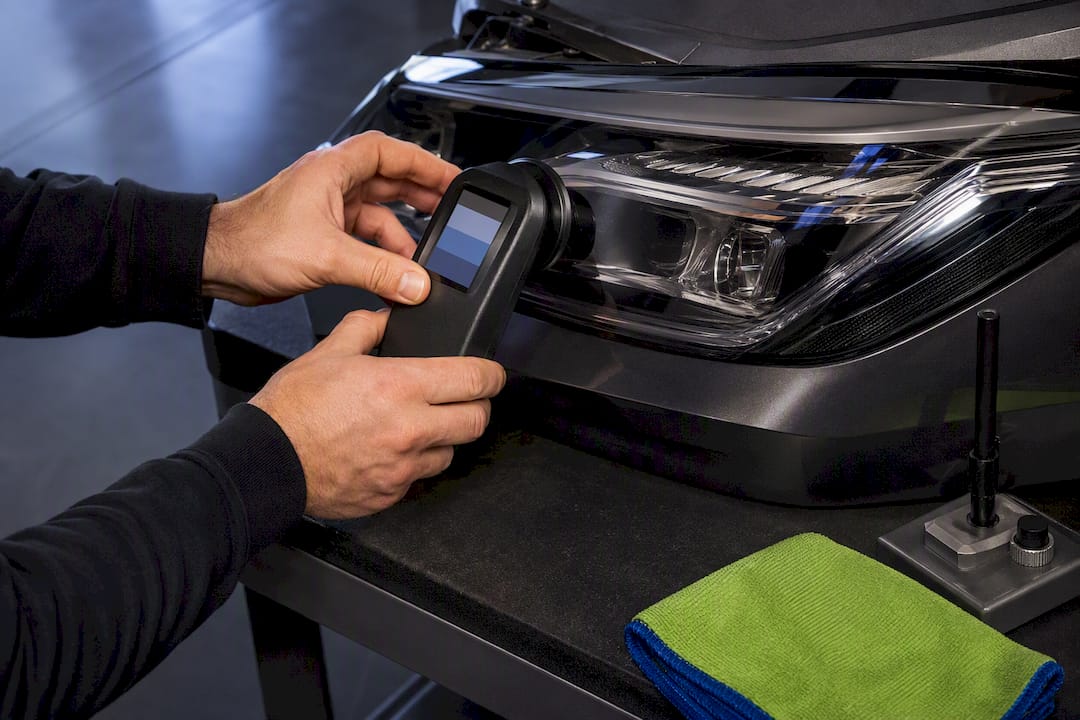
If you do get pulled over, ask the officer specifically which code section they believe you're violating. That single question tells you whether you're dealing with a color issue, an output issue, or something else entirely, and it shapes exactly what you need to fix.
Which Headlight Films Actually Stay Street Legal?
Not every product marketed for headlights keeps you compliant, and the difference usually comes down to how much light the film lets through and whether it shifts the color of what gets through.
Clear paint protection film is the safest option on the market for this exact reason. It's designed to guard against rock chips and road debris, not to darken anything, so it typically preserves both the white or yellow emitted color and the output level Section 25950 requires. Clear ceramic tint sits in a similar category. High-transmission formulas block UV and reduce lens yellowing over time without visibly darkening the beam.
Dark smoke films are where drivers run into trouble. Even a film marketed as "light smoke" can drop transmission enough to fail a roadside light-output check, and any film that shifts your headlight color toward blue or amber is a direct violation of the color requirement, not a gray area. Legal explainers consistently point to color-altering aftermarket modifications as the most common root cause of lighting citations, according to LegalClarity's breakdown of California's vehicle lighting laws.
Before you commit to any product, check for these warning signs:
- A manufacturer disclaimer mentioning "reduced light output" or "for off-road use only."
- No published light transmission percentage anywhere on the packaging or product page.
- Any visible color shift when the headlights are on, even a subtle one.
- Bulbs or housings without DOT or SAE markings.
A headlight PPF installation done by a shop that tests output before and after gives you documented proof your setup meets the standard, which matters far more than a verbal assurance from a seller.
Your Compliance Checklist Before Installing Headlight Film
Run through these steps in order before you book an installation appointment.
- Confirm the film's published light transmission percentage from the manufacturer, not just the installer's word.
- Ask whether the film is rated clear, light smoke, or dark smoke, and match that against your intended use (street versus show only).
- Request documentation showing DOT or SAE compliance for any bulbs or housings involved.
- Ask your installer if the film is removable without damaging the lens, in case you need to reverse the job for a fix-it ticket.
- Keep your receipt, product spec sheet, and any before-and-after light-meter readings together in one place.
- Decide in advance whether you'll drive the vehicle daily or reserve darker looks for closed-course or show use only.
A few questions are worth asking any installer directly: Can they show you a transmission percentage in writing? Do they test output after installation? Will they document the job for you in case you need proof later? A shop that hesitates on any of those answers is one to skip.
DIY headlight tint kits are cheap, but they rarely come with any transmission data, which leaves you guessing at compliance. If you're unsure whether a product meets California's window tint laws or headlight-specific rules, a professional compliance check before installation costs far less than a citation after the fact.
How We Verify Compliant Headlight Installs
[brand_signal] Tint & Wraps Customs performs headlight film installations in a climate-controlled facility, which keeps dust and debris out of the bonding process and gives every job a consistent, tested result. [internal_data] The shop has experience with numerous vehicles, including Tesla and EV installations where sensor clearance and factory fit are important.
[author_bio]
Here's what backs up a compliant headlight film job at the shop level:
- Warranties on film and installation work.
- Testing practices before and after install to check light transmission.
- Removable, clear film options for drivers who want protection without altering emitted color.
- Installer familiarity with front window tint documentation practices that translate directly to keeping headlight paperwork straight for a fix-it ticket.
Styling vs Safety: Where to Draw the Line
Dark headlight tint looks aggressive, and that's exactly why it draws attention from officers and creates real safety risk after dark. A film that cuts your beam output by even a modest amount reduces how far ahead you can see pedestrians, debris, and stopped traffic, not just how visible you are to other drivers.
If you want the darker look, keep it for show cars and closed events, not daily driving. For anything that touches public roads, clear PPF or clear ceramic film gets you the protection without the gamble. Check your lights against a curb or garage door at night once a season, and keep your documentation current. It's a five-minute habit that saves a much longer conversation with a police officer.
— Jake
Get Headlight Protection That Won't Cost You a Ticket
Tint & Wraps Customs is the alternative to guessing your way through a headlight tint job: every install happens in a climate-controlled facility with documented output testing, so you get the styling upgrade without gambling on a fix-it ticket. That matters most for Tesla and EV owners, where sensor clearance and factory-quality fit are non-negotiable, and it's backed by manufacturer-authorized warranties on every job.
The shop's headlight and taillight tinting service covers clear PPF and clear film options built to preserve required light output, and the team can walk you through transmission specs before you commit to a look. If you're weighing PPF against a full-body wrap or want to check compatibility with vinyl wraps elsewhere on your car, book a consultation and get a compliance check alongside your quote.
Primary Sources and Further Reading
- California Vehicle Code, Article 15 (including § 25950), primary law on emitted light color.
- California DMV Driver Handbook, driver-facing lighting guidance.
- IsMyModLegal California guide and LegalClarity's lighting law explainer, interpretive summaries.
- California exhaust modification enforcement, related context on how DMV holds and modification citations work.
Sources
- California Vehicle Code — Article 15 (including §25950)
- IsMyModLegal — Headlight & Taillight Tint (California guide)
- LegalClarity — Understanding and complying with California's vehicle lighting laws
- California DMV — California Driver Handbook (lighting guidance)
FAQ
Is 6500K Headlight Tint Legal in California?
It depends on whether the bulb or LED color temperature still reads as white light to the naked eye and meets Section 25950's color requirement. If the tint layered over it shifts that white toward blue, it's a violation regardless of the bulb's rating.
Is 20% Tint Legal in California for Front Windows?
No, front side windows in California must allow more than 70% light transmission, so a 20% film does not meet that standard. This is a separate requirement from headlight rules, which are governed by Section 25950's color and output standards rather than a fixed percentage.
Can I Tint My Headlights in California?
You can, as long as the film doesn't change the required white or yellow forward-facing color or reduce light output below what the law requires. Clear PPF and clear ceramic film are the options most likely to keep you compliant, since they protect the lens without darkening the beam.
Do California Police Pull You Over for Headlight Tint?
Yes, officers routinely stop vehicles for headlight color or brightness issues, especially at night when a color shift or dim beam is easy to spot. Most of these stops result in a fix-it ticket rather than a standard citation, provided you correct the issue and submit proof within the required window under the notice-to-correct process outlined by IsMyModLegal.