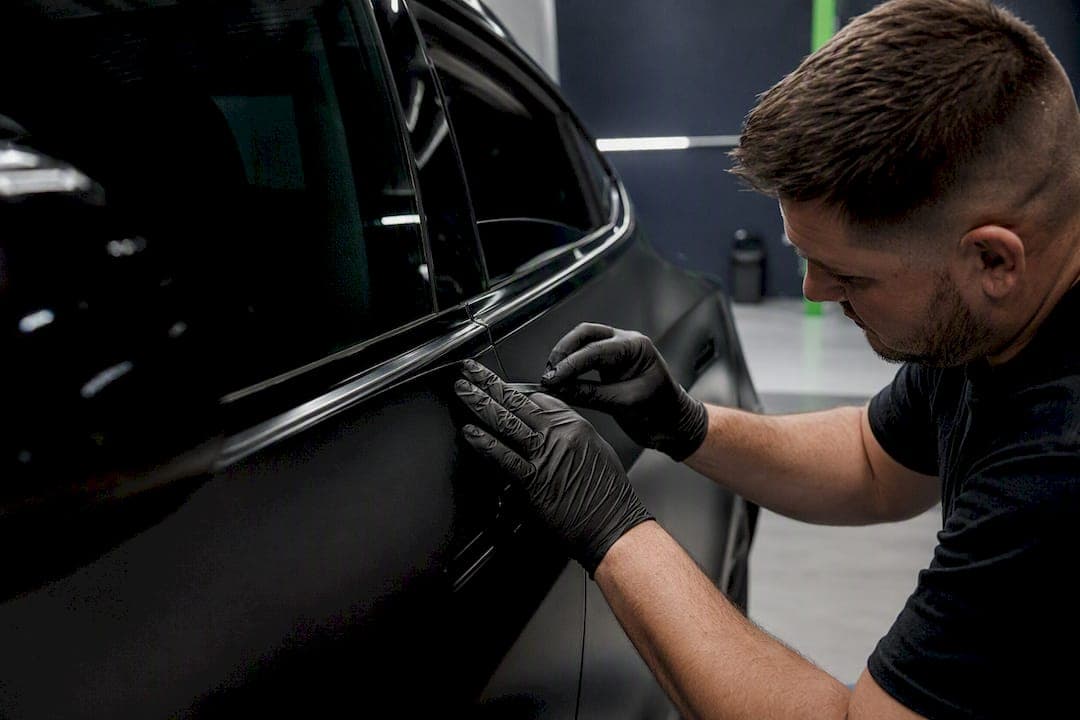
Chrome delete swaps the shiny chrome trim around your Model 3's windows, mirrors, handles, and badges for black vinyl. It covers window surrounds, mirrors, door handles, badges, and camera covers, and it fully reverses without touching the paint underneath.
Your best route depends on priorities:
- Want to save money and don't mind spending a Saturday on it? A DIY kit runs $100 to $200.
- Want a warranty-backed finish that survives car washes and years of sun? Book a professional install. Tint & Wraps Customs handles Tesla-specific trim work in a climate-controlled shop, which matters more than most first-timers expect.
Key Takeaways
A professional chrome delete install costs more upfront than a DIY kit but delivers a warranty-backed finish that resists the edge lift most first-time DIY attempts eventually face.
| Point | Details |
|---|---|
| DIY kit cost | Pre-cut kits run $100 to $200; uncut vinyl can be under $100 but takes more skill and time. |
| Professional install cost | Shops typically quote $450 to $1,200, with pre-Highland Model 3 jobs on the lower end. |
| Expected lifespan | Quality cast vinyl lasts about 3 to 5 years with proper washing and sun protection. |
| Wash carefully | Hand-wash or touchless automatic washes protect edges better than brush-based tunnel washes. |
| Choose your path | Tint & Wraps Customs offers a climate-controlled, warranty-backed professional install for owners who want a lasting finish without the DIY learning curve. |
Table of Contents
- What Does a Tesla Chrome Delete Actually Change?
- Should You Buy a Kit, Uncut Vinyl, or Book a Shop?
- How Much Does a Tesla Chrome Delete Cost in 2026?
- What Tools and Materials Do You Need for a DIY Chrome Delete?
- How Do You Install a Tesla Chrome Delete Yourself?
- How Do You Maintain a Chrome Delete Wrap Long-Term?
- When Should You Skip DIY and Book a Professional?
- Why Choose Tint & Wraps Customs for a Professional Install?
- How Do You Remove Chrome Delete Vinyl Without Damaging Your Tesla?
- Is Chrome Delete Legal Where You Drive?
- Does Chrome Delete Affect Your Tesla's Warranty or Resale Value?
- Sources
What Does a Tesla Chrome Delete Actually Change?
Owners chase this look for one simple reason: Tesla's own refreshed models ship with black trim instead of chrome. The Model Y and the Highland-generation Model 3 came standard with blacked-out window surrounds, so pre-refresh Model 3 owners now retrofit the older chrome look to match newer Teslas on the road. It's aesthetic parity, not a factory defect fix, and it's fully reversible if you ever want the chrome back.
What gets covered depends on your model year:
- Pre-Highland Model 3 (2017–2023): window trim, both mirror caps, door handles, front/rear badges, rear camera housing.
- Highland Model 3 (2024+): mostly badges, handles, and mirror caps, since the window trim already ships black.
Finish choice matters too. Satin black tends to hide small installation imperfections and mirrors the factory look better than gloss, while gloss reads as more aftermarket and shows fingerprints and swirl marks faster.
Should You Buy a Kit, Uncut Vinyl, or Book a Shop?
Three realistic paths exist, and each fits a different kind of owner.
- Pre-cut kits. These arrive laser-cut to match your exact trim pieces, and most include duplicate pieces along with a squeegee and sometimes a heat gun. The spares matter more than they sound. A first attempt at wrapping a mirror cap goes wrong more often than not, and having a backup piece means you don't order a whole new kit over one mistake.
- Uncut vinyl rolls. This is the cheapest raw material option, often under $100, but you're cutting every template freehand. It demands real skill with a blade and patience most first-timers underestimate. Expect more waste and a rougher learning curve.
- Professional installation. A shop decontaminates the surface, hand-shapes each piece to your car's exact panels, and seals every edge against water and brush contact. That edge sealing is the detail DIYers skip most often, and it's usually what determines whether the wrap lasts one year or five.
Your skill level and how much you value a flawless finish should drive this choice more than price alone.
How Much Does a Tesla Chrome Delete Cost in 2026?
Budget realistically before you commit to either path, because the DIY and professional numbers sit far apart.
Statistic Callout: DIY pre-cut kits typically run $100 to $200, while local shops usually quote $450 to $1,200 for a full professional chrome delete, with pre-Highland Model 3 jobs landing on the lower end since there's more surface area but simpler trim geometry.
What moves the number on either side:
- Kit price rises with vinyl grade. Cast automotive film costs more than budget calendared vinyl but holds up far longer.
- Shop quotes climb with vehicle prep needs, existing chrome condition, and whether you bundle chrome delete with tint or PPF.
- DIY time investment runs 4 to 8 hours for a first attempt, spread over an afternoon with breaks for mistakes.
- Shop turnaround is typically same-day or next-day, since technicians aren't learning the panel curves as they go.
Quality cast vinyl lasts about 3 to 5 years with proper care, though sun exposure and rough car washes shorten that window considerably. For a deeper cost breakdown by panel, see our chrome delete cost guide.
What Tools and Materials Do You Need for a DIY Chrome Delete?
Material choice separates a wrap that lasts three years from one that peels in three months. 3M 2080 and Avery automotive-grade cast vinyl are the two names worth knowing, since both are designed to stretch around curves without cracking and resist UV fade far better than cheap calendared film sold in bargain kits.
Your DIY toolkit should include:
- A heat gun, for softening vinyl around curved mirror caps and door handle recesses.
- A soft felt-edge squeegee, to avoid scratching the vinyl during application.
- Isopropyl alcohol wipes, for degreasing every surface before the vinyl touches it.
- A sharp trimming blade with extra blades, since a dull edge tears vinyl instead of cutting it cleanly.
Duplicate pieces in a kit aren't padding. Kits that include spare panels and a heat gun measurably raise first-time success rates, because that first mirror cap almost never goes perfectly.
Pro Tip: If you're on the fence about durability, ask about an edge-seal or clear PPF overlay on high-wear corners. It adds minimal cost and meaningfully slows lift at the gasket lines. For more on how PPF and vinyl compare, our PPF vs. vinyl wrap breakdown covers the trade-offs in detail.
How Do You Install a Tesla Chrome Delete Yourself?
Work in a garage or shaded space between 50°F and 100°F. Vinyl that's too cold won't stretch, and vinyl applied in direct summer heat sets before you can reposition it.
- Wash and clay-bar the trim, then wipe every panel with isopropyl alcohol. Skip this step and dust under the vinyl will telegraph through as bumps.
- Start with badges and small pieces. They're low-risk practice before you touch anything visible from ten feet away.
- Move to door handles next, working the vinyl into the recessed grip area with your heat gun on low.
- Tackle window trim, working in short sections and using the squeegee to push out air from the center outward.
- Finish with mirror caps and camera housings last, since their compound curves demand the most heat and patience.
Corners and rubber gaskets cause the most trouble. Tuck vinyl slightly under the gasket edge rather than butting it against the rubber, since that's where film lift most commonly starts from brush contact or trapped debris.
Pro Tip: If you've reheated and repositioned the same corner three times and it still won't lay flat, stop. That's the signal to call a shop before you crease or tear the piece beyond saving.
How Do You Maintain a Chrome Delete Wrap Long-Term?
Washing method matters more than washing frequency. Hand-washing or a touchless/brushless automatic wash is safer for vinyl edges, while brush-based tunnel washes increase the risk of lift at every seam and gasket line on the car.
Beyond wash choice, a few habits extend the wrap's life:
- Check edges monthly, especially around window gaskets and mirror bases, for any lifting corner you can catch early.
- Re-seal a lifting edge immediately rather than waiting, since a small lift becomes a torn flap within weeks of wind and water exposure.
- Park in shade or a garage when possible. UV exposure is the single biggest factor shortening vinyl lifespan.
- Avoid parking near salted roads for long stretches in winter, since salt accelerates edge degradation.
Our wrap maintenance guide covers washing schedules and product recommendations in more depth.
When Should You Skip DIY and Book a Professional?
Most DIY chrome delete failures follow the same pattern: lift starting at a gasket edge, a visible seam where two panel sections meet, or a blade slip that nicks the clear coat underneath. None of these show up on day one. They show up three months later, usually after the first automatic car wash.
A shop mitigates each of those specifically:
- Edge sealing at gasket lines, which is the single detail a climate-controlled install with proper sealing does better than an outdoor DIY job.
- Climate control during application, so the vinyl adheres at a consistent temperature instead of fighting wind or heat swings.
- Experience with your specific trim geometry, since a technician who's wrapped fifty Model 3 mirror caps moves faster and cleaner than someone doing their first.
If you're planning to sell the car within a year or two, factor that into your decision along with your own patience for a multi-hour first attempt.
Why Choose Tint & Wraps Customs for a Professional Install?
Tint & Wraps Customs has protected more than 1,000 vehicles from our climate-controlled facility, backed by manufacturer-grade warranties and a 5-star customer rating. A professional chrome delete here includes full edge sealing, Tesla-specific panel techniques honed on Model 3 and Model Y trim, and a finish that holds up to the wash routine most owners actually follow.
Many customers bundle chrome delete with paint protection film or ceramic coating in the same visit, covering both the look and the long-term protection in one appointment instead of two separate bookings down the road.
How Do You Remove Chrome Delete Vinyl Without Damaging Your Tesla?
Removal is usually easier than installation, but rushing it causes the most common damage: adhesive residue baked onto the trim or clear coat.
Start with heat. A heat gun on low, held a few inches from the surface, softens the adhesive enough to peel the vinyl in one continuous strip rather than tearing it into fragments. Work slowly along one edge, pulling back at a low angle rather than straight up, since a shallow pull angle reduces the chance of leaving adhesive strings behind.
Cold weather makes vinyl brittle and prone to snapping mid-peel, so removal in a garage or on a warmer day goes noticeably smoother than trying it outside in winter. If a piece resists and you find yourself scraping with a blade to get it started, stop and add more heat instead. Blade scraping directly against painted trim risks scratching through clear coat, and that turns a reversible modification into a paint correction job.
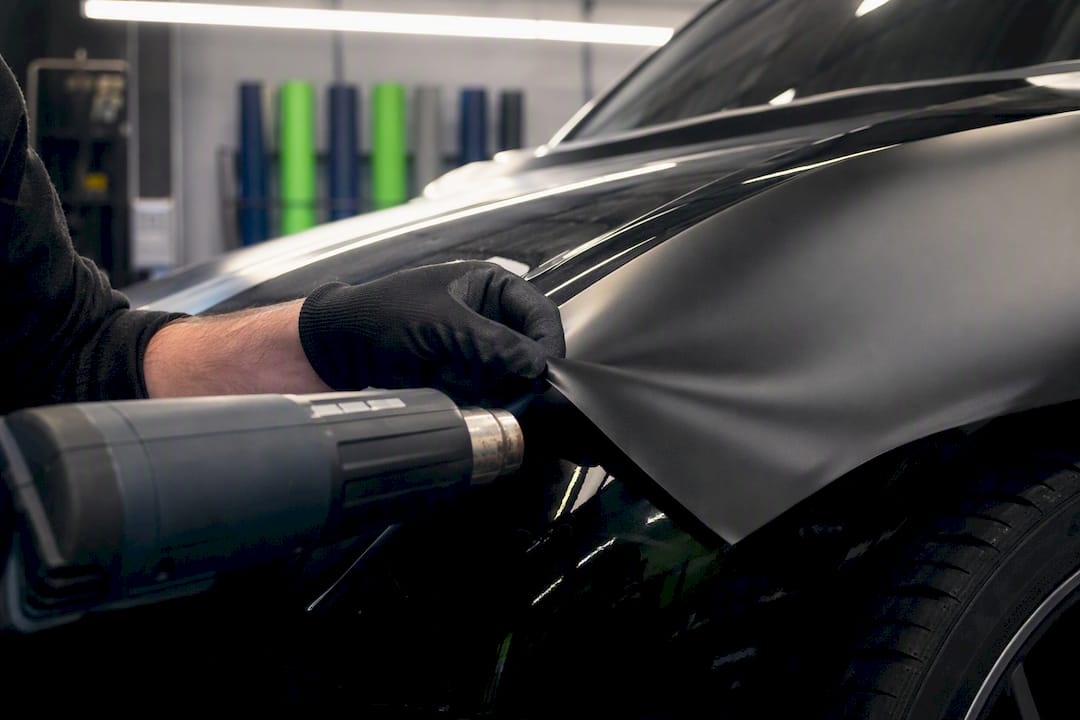
Once the vinyl is off, adhesive residue almost always remains. Isopropyl alcohol or a dedicated adhesive remover, applied with a microfiber cloth, lifts the residue without attacking the paint or trim finish underneath. Avoid harsh solvents not rated for automotive clear coat, since some strip wax and sealant along with the glue.
This is also the moment many owners choose to reapply a fresh chrome delete rather than restore the original chrome look, since the trim underneath is usually in better condition than it was before the first install thanks to the vinyl's UV protection. A professional removal and reapplication in the same visit avoids the gap where trim sits bare and exposed.
Is Chrome Delete Legal Where You Drive?
Chrome delete sits in a gray zone that depends entirely on what it touches, not the modification itself. Vinyl-wrapping exterior trim is broadly legal across the United States, since it doesn't alter safety equipment, structural components, or anything inspected under most state vehicle codes.
Where owners run into trouble is scope creep. Wrapping over reflective surfaces required for visibility, covering license plate lighting, or applying tint-adjacent film to windows themselves can trigger separate state window-tint regulations that have nothing to do with chrome trim. Camera housing wraps deserve particular attention on a Tesla, since covering or altering a camera lens area, even cosmetically, risks interfering with Autopilot or Full Self-Driving sensor function, which is a functional issue rather than a legal one.
Insurance is the other practical consideration. Cosmetic wraps generally don't affect liability coverage, but it's worth confirming with your provider before a major exterior change, particularly if your policy has specific language around modifications.
Regulations vary by state and country, and vehicle inspection standards differ enough that a modification perfectly fine in one region might raise a flag during inspection in another. If you're unsure whether a specific panel or camera area is safe to wrap, check your state's vehicle code or ask a professional installer before committing to a full kit.
Does Chrome Delete Affect Your Tesla's Warranty or Resale Value?
Chrome delete doesn't touch anything mechanical, so it has no bearing on Tesla's drivetrain, battery, or electronics warranty. The concern owners actually have is narrower: does wrapping trim risk anything tied to exterior components, and does it help or hurt what the car sells for later.
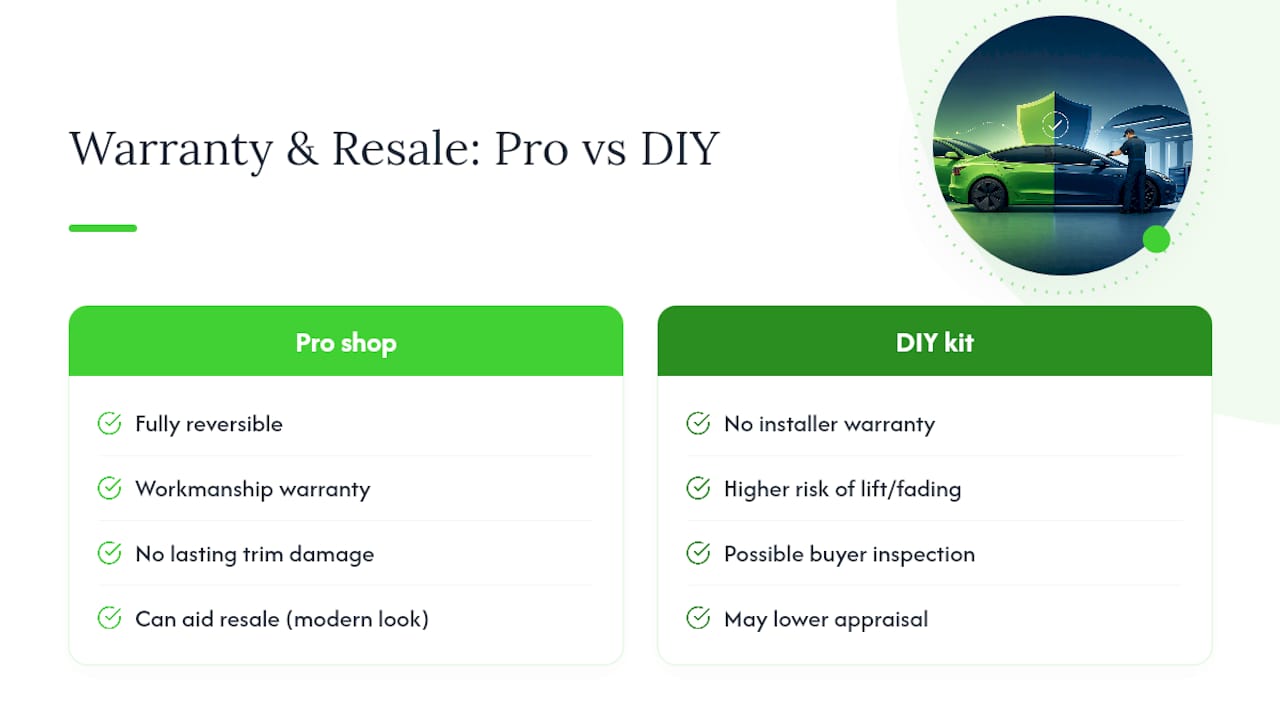
A professional install using cast automotive vinyl and proper edge sealing is fully reversible with no lasting effect on the trim underneath, which is precisely why shops back their installs with a workmanship warranty rather than treating it as a one-time gamble. That warranty typically covers lift, bubbling, or premature fading within a defined window, something a DIY kit purchased online simply doesn't offer.
Resale value is where opinions split, and the honest answer is that it depends on your buyer pool. A clean satin black chrome delete that matches the newer Highland aesthetic can make an older Model 3 look more current in listing photos, which sometimes helps it move faster. But a buyer who wants the original chrome look, or a dealer doing a trade-in appraisal, may see a wrap as one more thing to remove or inspect closely for paint damage underneath. Because the modification is reversible, the safest move before selling is restoring the factory chrome if you're unsure how a specific buyer will react, or leaving a well-maintained professional wrap in place since it shows no edge lift or fading that would raise questions during inspection.
A Simple Rule for Choosing Your Path
If you've got a free Saturday, patience for a learning curve, and mainly want to save money, a DIY kit gets you there. If you want a finish that survives years of car washes without a second thought, and you'd rather have a warranty than a receipt for vinyl scraps, book a pro. Either way, it's fully reversible if you change your mind later.
— Jake
Book Your Chrome Delete Appointment
Tint & Wraps Customs is the option for owners who want the DIY look without gambling a weekend on a first attempt. Our appointments typically wrap up same-day, and every install uses cast automotive vinyl with full edge sealing backed by a manufacturer-grade warranty, all inside a climate-controlled facility that keeps dust and temperature swings out of the equation entirely.
Most Tesla owners bundle chrome delete with paint protection film or ceramic coating in the same visit, since you're already booking the bay time. If your project involves a larger wrap or color change alongside trim work, shops like the PPF Company in Calgary offer a useful comparison point for what a full professional install workflow looks like elsewhere. To get a quote for your specific Model 3 year and trim condition, visit Tint & Wraps Customs and book your appointment today.
Sources
For pricing detail beyond this guide, see our chrome delete cost breakdown and wrap maintenance guide for washing routines that extend vinyl life.
- Tesla Chrome Delete Guide and Cost Breakdown for Model 3, S, and X
- Best Tesla Model 3 Chrome Delete Kit: Cost, Before/After Pictures, & More
- Chrome Delete Care Guide
- Tesla Model Y gets “chrome delete” treatment as a standard offering