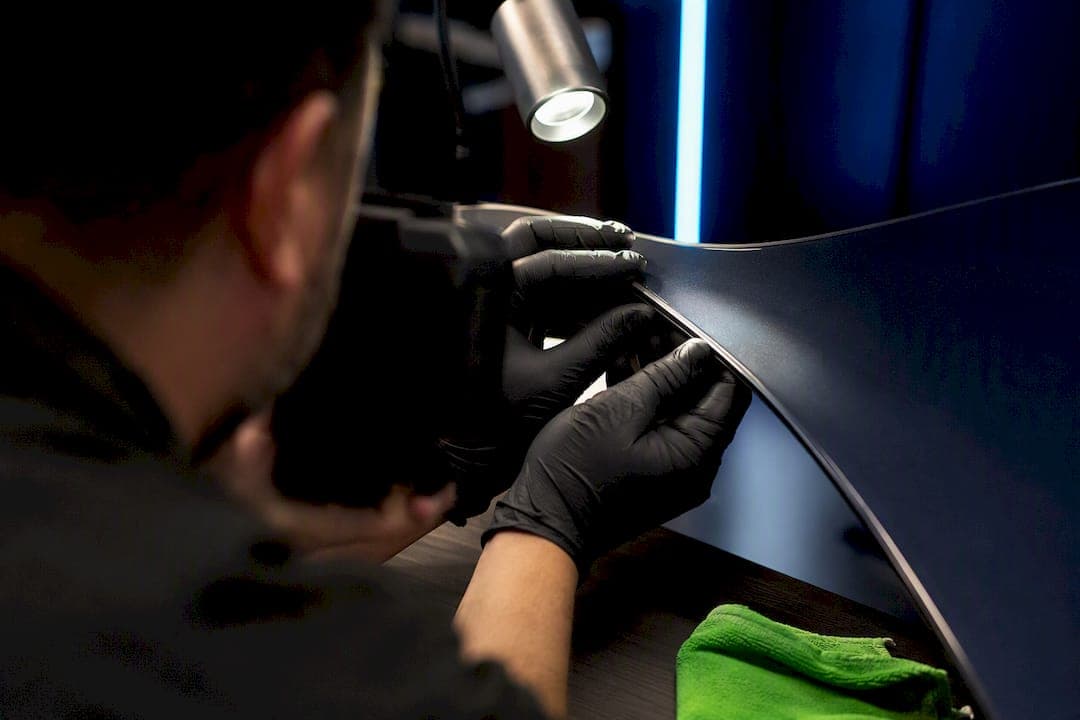
A PPF warranty covers manufacturing defects, meaning yellowing, cracking, bubbling, and delamination that happen because the film itself failed, not because a rock hit your hood. It does not cover impact damage, collisions, or rock chips. If a defect shows up, the first move is to confirm your warranty was registered, then call the shop that installed it.
TL;DR:
- Most manufacturer warranties cover defects like yellowing, cracking, bubbling, delamination, and adhesive failure, not impact damage or environmental harm.
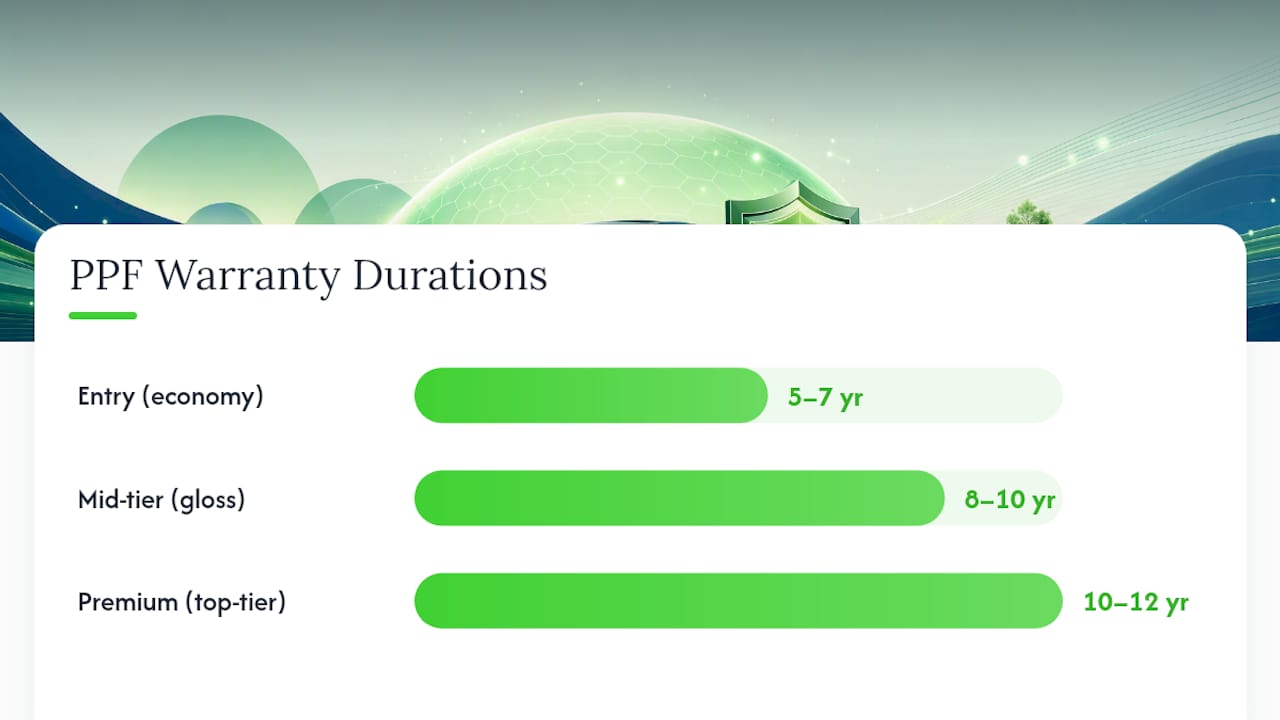
- Warranty durations typically range from 5 to 12 years depending on the product tier, with premium films often offering lifetime or extended coverage.
- Registering your warranty within 30 days of installation and documenting the process thoroughly are crucial to prevent coverage denial.
- Proper installation in a controlled environment and following maintenance guidelines extend warranty validity and minimize disputes.
- Faulty installation or neglecting maintenance are the most common reasons for warranty claims being denied, emphasizing the importance of professional setup and regular inspections.
Table of Contents
- What Does a PPF Warranty Actually Cover?
- How Long Does PPF Coverage Actually Last?
- How Do You Register and File a Claim?
- What Voids a PPF Warranty?
- Installer Warranty vs. Manufacturer Warranty: Who Fixes What?
- Keeping Your Warranty Valid Long Term
- Why Installation Quality Determines Whether Your Claim Succeeds
- Get Warranty-Backed PPF Installation Without the Guesswork
- Where to Verify Your Warranty Terms
- Sources
What Does a PPF Warranty Actually Cover?
Manufacturers define a "defect" narrowly, and understanding that distinction saves you a frustrating phone call later. A defect means the film itself failed under normal conditions, not that something happened to it. Rock chips, keying, hail dents, and collision damage are performance events the film absorbed by design. They aren't defects. That distinction confuses a lot of first-time PPF owners who assume any visible damage qualifies for a claim.
Here's what actually counts as a warrantable defect across most major manufacturer policies:
- Yellowing or discoloration: the film shifts color from UV breakdown or a bad batch of urethane, not from sun exposure alone.
- Cracking: the film develops fine lines or splits without any physical impact causing them.
- Bubbling: air or moisture pockets form under the film that weren't caused by improper washing.
- Delamination: layers of the film separate from each other or lift from the paint surface.
- Adhesive failure: the film loses its bond to the clear coat and starts peeling at the edges on its own.
Avery Dennison's PPF warranty documentation spells out exactly this list, adhesive failure, bubbling, cracking, peeling, delamination, and discoloration, as the covered categories, and most competing brands follow a nearly identical framework.
When you file a claim, the manufacturer doesn't just take your word for it. The typical process runs through your installer: they photograph the affected panel, document when the issue appeared, and submit that evidence for manufacturer review. The manufacturer's technical team then makes the final call on whether it's a product defect or something else entirely, and that decision is usually final under the warranty terms.
One edge case trips people up constantly: self-healing film that stops healing. A light scratch that used to disappear with heat and now doesn't could be a material failure or could just mean the film has aged past its self-healing threshold, which isn't the same thing as a defect. Also worth knowing: paint that pulls off with the film during removal is typically excluded, since that points to a prior paint issue, not a film failure.
How Long Does PPF Coverage Actually Last?
Warranty length varies more by product tier than most buyers expect, and the number on the sales brochure isn't always the number that applies to your car. Most manufacturer-backed PPF warranties fall in a range of several years, with premium product lines offering longer durations and some brands using "lifetime" language that refers to the lifetime of the vehicle under specific conditions.
Typical warranty ranges by tier:
- Entry-level or economy film: often 5 to 7 years, sometimes shorter on adhesive-related failures specifically.
- Mid-tier gloss film: commonly 8 to 10 years, matching most daily-driver expectations.
- Premium or top-tier film: up to 10 to 12 years, sometimes labeled "lifetime" for the original owner.
Coverage Snapshot: ORAFOL's ORAGUARD 2815 limited warranty runs 10 years and gives the manufacturer discretion to repair or replace, a structure that's fairly standard across the industry rather than an outlier.
Duration also depends on where the film sits on the vehicle. Avery Dennison adjusts warranty length by climate zone and panel orientation, so a hood baking in Arizona sun carries different expectations than a vertical door panel in a milder climate. Horizontal surfaces catch more UV and road debris, and manufacturers know it.
Matte finishes tend to carry shorter or more conditional coverage than gloss, mainly because matte film shows swirl marks and texture changes more visibly, and manufacturers are cautious about what counts as a defect versus normal wear on a textured surface. If you're weighing finish options against warranty terms, our breakdown of STEK versus XPEL PPF walks through how registration deadlines and coverage differ between the two.
How Do You Register and File a Claim?
Most claim denials trace back to paperwork, not product failure. Getting the process right at installation saves you a fight later.
Documentation you need before anything else:
- Original installation invoice with date and shop name
- Warranty certificate or product roll/serial number
- Clear photos of the affected area with a neutral background
- Vehicle make, model, and VIN
- Any prior maintenance receipts tied to the film
The claim workflow, step by step:
- Register within the deadline. Many manufacturers require registration within 30 days of installation, often through an online portal like STEK's STEK ONE system. Miss that window and you may forfeit coverage entirely, even for a legitimate defect.
- Contact your original installer first. Manufacturer warranty terms typically require the installer to initiate the claim, since they're the party with the installation records the manufacturer wants to see.
- Document the defect thoroughly. Photograph it in good light, note when you first noticed it, and hold onto everything until the claim closes.
- Let the installer submit to the manufacturer. They forward your documentation along with their own installation notes for technical review.
- Expect a response window of several weeks. If your installer has gone out of business or won't respond, most manufacturers will accept a direct claim with proof of purchase and registration.
Pro Tip: Photograph any suspected defect the day you notice it, with a ruler or coin in the frame for scale, and never edit or crop the image before submitting it. Manufacturers want to see the defect at true size against an unedited reference.
If a manufacturer or installer denies a claim you believe is valid, ask for the denial in writing with a specific reason. From there, you can escalate to your state attorney general's consumer protection office or file a complaint with the Federal Trade Commission, and small claims court remains an option for disputes involving the labor or replacement cost.
What Voids a PPF Warranty?
Coverage disappears fast when the fine print gets ignored, and most of the ways people lose it fall into three buckets: who installed it, how it's maintained, and what damaged it.
Installation-related voids:
- Using a non-authorized or uncertified installer, since many manufacturers only honor warranties on professional installs
- Applying film over repainted panels or aftermarket body work not disclosed at installation
- Visible defects present at install time that went undocumented, like trapped debris or lifted edges
Maintenance and product voids:
- Washing with harsh chemicals, solvents, or abrasive brushes not on the manufacturer's approved list
- Applying non-approved ceramic coatings or sealants over the film, something XPEL and other manufacturers explicitly flag as grounds for denial
- Running the vehicle through automatic car washes with spinning brushes, called out by name in several warranty documents
External damage voids (not really "voids," just exclusions):
- Collisions, vandalism, hail, and rock chips are excluded from day one because they're impact events, not product failures
- Environmental damage like tree sap left too long or bird droppings that etch the film aren't manufacturing issues either
The logic behind all of this is consistent: warranties cover what the manufacturer controls (material quality) and exclude what the owner or the road controls (impact, chemicals, upkeep). Curious how film degrades over time even under good care? Our PPF lifespan guide breaks down the wear factors that fall outside warranty territory entirely.
Installer Warranty vs. Manufacturer Warranty: Who Fixes What?
These two warranties get confused constantly, and knowing the difference determines who you call first. A manufacturer warranty covers the film itself, material defects like the ones above, and usually runs the longest, sometimes a decade or more. An installer or workmanship warranty covers the application, things like edge lifting from poor trimming, dirt trapped under film from a rushed job, or misalignment. Workmanship warranties are typically shorter, often 1 to 2 years, and set entirely by the shop, not the film brand.
Overlap happens more than you'd think. Bubbling near an edge could be a material defect or a sloppy install, and only an inspection tells you which. In manufacturer-approved repairs, the material replacement is usually covered by the manufacturer while the shop's labor to remove and reapply film may or may not be included, depending on the brand's specific terms.
What to do at installation, before any problem exists:
- Ask for both warranties in writing, not verbal assurance
- Get a copy of the warranty card or registration confirmation
- Save your installer's direct contact information somewhere permanent, not just a receipt you'll lose
Understanding what PPF costs upfront also helps you gauge whether a "free" workmanship warranty is actually built into the price or an afterthought tacked on to close the sale.
Keeping Your Warranty Valid Long Term
Warranty coverage isn't a one-time checkbox. It's something you maintain, and small habits in the first few weeks matter more than most owners realize.
Right after installation:
- Wait the full cure time your installer specifies, typically several days, before any washing.
- Skip automatic car washes and abrasive brushes during that window entirely.
- Avoid parking under trees or in direct sun for extended stretches while the adhesive fully bonds.
Ongoing care that keeps coverage intact:
- Wash with pH-neutral soap and a soft mitt or foam cannon, never dish soap or degreasers.
- Only apply ceramic coatings or sealants the manufacturer has explicitly approved for use over film.
- Inspect edges and seams every few months for early lifting, and address it before it spreads.
Pro Tip: Keep a dedicated folder, digital or physical, with your original invoice, the film's roll number, and every maintenance receipt. If you ever need to file a claim, having that paper trail ready cuts weeks off the process.
Our PPF maintenance guide covers wash products and coating compatibility in more depth if you want the specifics before your next detail appointment. And if clear coat yellowing on trim or carbon fiber pieces is a concern alongside your film, this carbon fiber care guide covers prevention steps worth pairing with your PPF maintenance routine.
Why Installation Quality Determines Whether Your Claim Succeeds
Most warranty disputes I've seen traced back to the install, not the film. Dust trapped under film during application looks a lot like early delamination six months later, and manufacturers know the difference between a material failure and a contamination problem caused by installing in a garage with the door open.
That's the real argument for a climate-controlled bay: fewer airborne particles, consistent temperature for proper adhesive curing, and installers who've done enough Tesla and EV work to know where factory panel gaps and curves make bubbling more likely if the film isn't stretched correctly. Professional installers with organized documentation tend to generate fewer claims, and claims that do happen move faster because the paperwork is well managed.
Whatever shop you choose, ask for two things in writing before you drive off: the warranty registration confirmation and a physical or digital copy of the warranty card. Don't assume it happened automatically.
— Jake
Get Warranty-Backed PPF Installation Without the Guesswork
Some shops handle the paperwork most owners forget about, warranty registration, documentation handoff, and a maintenance rundown, so you're covered from the day you drive out. Professional installations often occur in a climate-controlled facility built to reduce contamination and bubbling issues that cause most warranty disputes, including Tesla and EV-specific panel work.
When you book with a professional installer, you leave with your manufacturer warranty registered, a copy of your warranty card in hand, and a clear maintenance checklist so you're never guessing what voids coverage down the road. If a claim ever comes up, you have a shop on record that knows your vehicle and your paperwork. Book your PPF installation to get warranty support built into the process from day one.
Where to Verify Your Warranty Terms
- Avery Dennison's PPF warranty PDF lists covered defects, durations, and zonal adjustments.
- 3M's warranty resource center provides warranty cards and installer locator tools.
- STEK's limited warranty page explains registration steps through STEK ONE.
- The Federal Trade Commission outlines consumer rights if a manufacturer or installer denies a valid claim.
Sources
- Avery Dennison Paint Protection Film Warranty
- STEK paint protection film limited warranty
- Warranty Resources | PPF, Wrap Film and Window Tint | 3M
- ORAFOL ORAGUARD 2815 PPF limited warranty