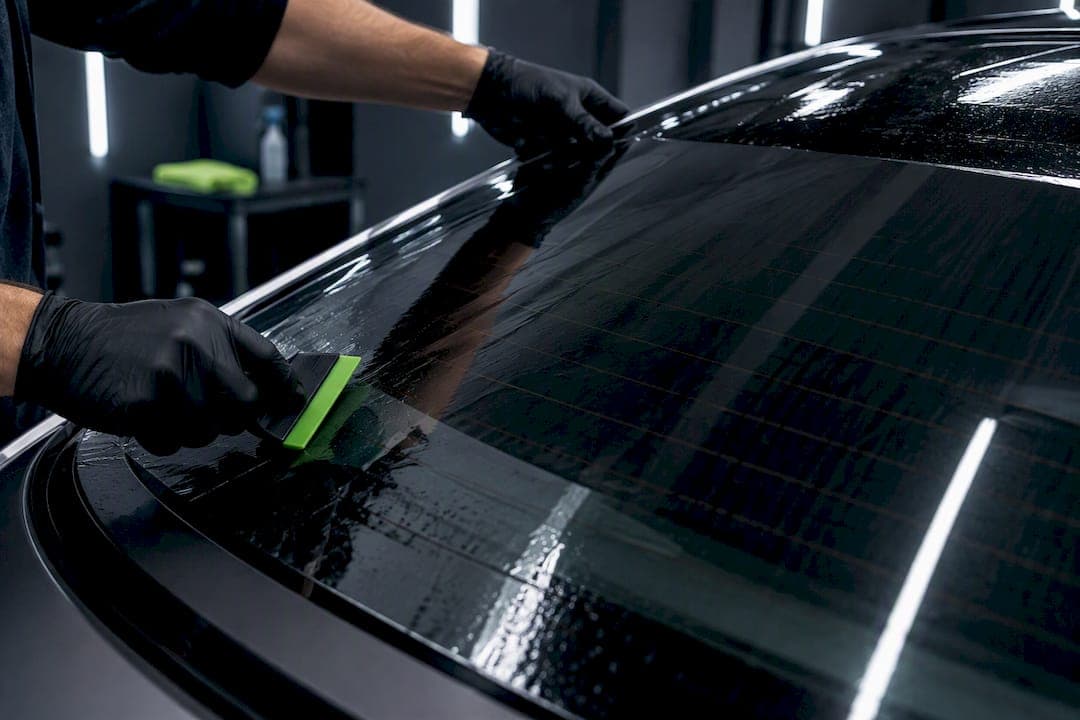
Yes, a Tesla Model 3 rear glass one piece tint job is possible, and most owners who see it done well never go back to a two-piece install. Whether it's the right call for your car depends mostly on film width availability and installer skill, not on some universal rule. Very dark tints sometimes force a two-piece layout, so the real work is finding a shop that's actually done a clean seamless install before.
TL;DR:
- A one-piece rear glass tint on a Tesla Model 3 is achievable but depends on wide film roll availability and installer expertise; dark tints often require a two-piece setup.
- The selection of film is limited by roll width and VLT shade, with wider rolls making seamless application more accessible, especially for non-metallic ceramic and carbon films.
- Proper pattern precision, seamless butt-joins, and weather-controlled installation environments are critical to avoid bubbling, edge lift, and sensor interference issues.
- Confirm a shop's experience with Model 3 rear glass, review actual installation photos, and verify film roll width before scheduling to ensure a successful one-piece tint.
- Cost typically exceeds traditional two-piece jobs, with warranties and proper environment being key factors in a high-quality, lasting installation.
Table of Contents
- What Is a One-Piece Rear Glass Tint on a Model 3?
- Why Film Width and VLT Limit Your One-Piece Options
- What Should You Check Before the Install Starts?
- What Does a One-Piece Install Cost and What Are the Alternatives?
- How Do You Vet a Shop for a One-Piece Install?
- Technician Notes From a Tesla-Focused Installer
- Why the "Just Get One-Piece" Advice Misses the Point
- Get a One-Piece Rear Glass Tint Done Right in Van Nuys
- Sources
- FAQ
What Is a One-Piece Rear Glass Tint on a Model 3?
A one-piece install means a single sheet of film covers the entire curved backlight, from the roofline down to the trunk lip, with no seam anywhere on the glass. A two-piece install splits that same surface into two sections, usually joined somewhere near the top curve or the rear defroster line, held together with a butt-join seam.
Whether the seam shows depends on the tint darkness, edge trimming precision, and shade matching. A poor match is visible from a distance, whereas a well-done two-piece install is barely noticeable unless closely inspected.
Owner opinion splits pretty evenly on this. Some Reddit threads show owners who are perfectly happy with a tight two-piece seam, especially when the shop used the same roll of film for both halves. Others insist a one-piece install is the only acceptable option for a car with the Model 3's single curved backlight.
A few patterns show up consistently in owner feedback:
- Seams tend to be more visible on lighter tints, where less light gets absorbed in the join
- A seam placed near the top curve of the glass is easier to hide than one placed mid-panel
- Installer experience with Tesla's specific glass curve matters more than the brand of film used
Why Film Width and VLT Limit Your One-Piece Options
Tint film ships on rolls, and roll width is the real bottleneck behind the one-piece versus two-piece decision. Most standard automotive film comes in widths wide enough to cover a Model 3 backlight in a single pass, but the darkest shades don't always follow that rule.
Owners on Tesla Motors Club report that The darkest VLT films are harder to source in the wider roll widths a one-piece rear install needs. Some shops don't carry the darkest tints in wide format, so they either do a two-piece rear or suggest a lighter VLT instead, which is often available in the wider rolls that make a single-piece cut possible.
Film material matters too. Non-metallic nano-ceramic and carbon films tend to be manufactured in wider formats more consistently than some specialty ultra-dark films, and they carry the added benefit of not interfering with radar or camera sensors mounted near the glass.
A few practical takeaways:
- If you want the darkest legal tint and a one-piece install, ask your shop upfront whether they stock that VLT in a wide roll
- Precut kits sold for Model 3 rear glass are sometimes cut from narrower stock, which can force a multi-piece layout even when the seller markets it as "single piece"
- Ceramic and carbon films are generally the safer choice for sensor compatibility regardless of piece count
Pro Tip: Ask to see the actual roll width your installer plans to use before they start cutting. A shop that hesitates to answer probably hasn't thought about it either.
Film availability isn't fixed. A shop that can't get 5% in a wide roll this month might carry it next season, so it pays to call more than one installer before settling for a compromise shade you didn't actually want.
What Should You Check Before the Install Starts?
The technical side of a one-piece install comes down to pattern accuracy, curing time, and how the film interacts with Autopilot hardware near the glass. Get these wrong and you're looking at bubbling, lifted edges, or a redo within a year.
- Pattern precision matters most. A computer-cut pattern designed specifically for Model 3's backlight curve reduces waste and stretching at the edges, which is where most bubbling starts.
- Butt-join technique separates good two-piece work from bad. If a two-piece install is unavoidable, the seam needs zero overlap and an exact shade match, or it reads as a mistake rather than a design choice.
- Cure time affects the first few weeks of ownership. Most ceramic films need several days to a couple of weeks before they fully set, and rolling the windows or blasting the defroster too early can cause edge lift.
- Sensor placement near the glass calls for non-metallic film. Tesla's own service documentation treats glass work as a formal procedure with specific tools and calibration steps, which underscores how much precision matters anywhere near sensor housings.
A climate-controlled bay isn't just a marketing line. Dust, humidity swings, and temperature changes during application are the most common causes of trapped particles and slow curing, both of which show up as visible defects weeks after the install looked perfect on day one.
What Does a One-Piece Install Cost and What Are the Alternatives?
Full rear glass coverage with a clean one-piece cut generally costs more than a basic two-piece rear job, mainly because it requires a wider, often pricier roll of film and more installer time to pattern correctly. Expect the shop to quote the rear glass separately from a full-vehicle tint package rather than bundling it blindly.
Turnaround for a rear-only job is usually same-day, but curing time stretches out for one to two weeks depending on the film and weather. Avoid rolling the rear defroster or blasting direct sun on the glass during that window.
If a true one-piece install isn't available in your area or your chosen shade, you've got real options:
- A slightly lighter VLT that's stocked in wider rolls, letting you keep the seamless look without waiting on backordered film
- A precut rear-only kit, though these vary in quality and sometimes ship in narrower panels than advertised
- Replacing the backlight glass itself if it's already damaged, which Tesla's service manual treats as a documented remove-and-replace procedure with a mandatory pre-installation inspection
How Do You Vet a Shop for a One-Piece Install?
Not every shop that advertises "one-piece" tint has actually done one on a Model 3. The checklist below separates the ones who have from the ones who are guessing.
- Ask for same-VLT, same-model photos. A shop with real Model 3 experience should have close-up shots of the roof-to-backlight seam area, not just wide exterior shots of a finished car.
- Confirm the film brand and roll width they'll actually use. Vague answers here usually mean they haven't checked stock for your specific shade.
- Ask about warranty coverage and facility conditions. Installs done in a climate-controlled space are less prone to the dust and humidity issues that cause bubbling later.
- Watch for red flags. Walk away from any shop that mixes two different VLTs on the same backlight without telling you, or that refuses to show you a failed install and how they fixed it.
Preparation matters on the owner's side too. Keeping the glass free of wax residue and grime before the appointment, using a streak-free glass cleaning method, gives the installer a cleaner surface to work with and can shave real time off the job.
Technician Notes From a Tesla-Focused Installer
Patterning the rear glass correctly starts with matching VLT across the roof and backlight in the same session, not guessing at a close shade later. A climate-controlled shop and a manufacturer-backed warranty cut rework risk more than any single film choice does. The most common owner mistake is picking a VLT the shop doesn't stock in a wide roll, then settling for a mismatched two-piece fix.
Why the "Just Get One-Piece" Advice Misses the Point
Most online advice treats one-piece as the automatically correct answer and two-piece as a compromise for cheapskates. That's backwards. The real question isn't piece count, it's whether the shop can execute either option cleanly, and plenty of two-piece jobs done with matched film and a tight butt-join outlast sloppy one-piece attempts by installers rushing a wide roll they've never patterned before.

Owner forums back this up more than most guides admit. The Tesla Motors Club discussion threads are full of people who got flawless two-piece results and others who paid for one-piece and ended up with lifted edges within months. The variable was never the seam count. It was who held the blade.
If you're set on one-piece, prioritize verifying wide-roll stock and installer history over chasing the darkest VLT you can find. A shop that's honest about not having 5% in stock this week is more trustworthy than one that promises everything and figures out the seam later.
— Jake
Get a One-Piece Rear Glass Tint Done Right in Van Nuys
Choose a shop with experience installing on Model 3 backlights to ensure a seamless look. Having installations done in a climate-controlled, dust-free environment helps avoid bubbling and edge lift issues, and expert knowledge of Tesla and EV sensor placement helps maintain sensor compatibility.
Booking starts with a look at your car's current glass and a conversation about VLT options that are actually in stock in the wide roll you'll need for one-piece coverage. You'll see real installer photos before anything gets cut, and every job is backed by a manufacturer-authorized warranty. Check out the window tinting services page to see film options and get a quote started, or head to the main booking page to schedule your Model 3.
Sources
- Rear Windshield tint, 2 piece or 1 piece? | Tesla Motors Club
- Windshield and roof glass chip repair | Tesla Service Manual
- Tesla & EV Window Tinting Services | XPEL Ceramic Tint Specialist
- Model 3 rear window tint - one piece or two : r/teslamotors
FAQ
How much does it cost to replace the rear glass on a Tesla Model 3?
Pricing varies by shop and whether the job includes calibration work tied to nearby sensors. Tesla's own remove-and-replace procedure treats backlight glass replacement as a formal service operation, so get a quote directly from the installer handling your specific damage.
Can I get Tesla rear windows tinted?
Yes, the Model 3's rear backlight can be tinted in either a one-piece or two-piece layout, depending on the film shade and roll width available. Specialist shops that work regularly with Tesla glass, including ceramic tint specialists, routinely offer one-piece installs using non-metallic film.
Do Tesla Model 3 rear windows go all the way down?
No, the Model 3's rear side windows are frameless but do not retract as far down as some traditional sedans, and the rear backlight itself is fixed glass that doesn't move at all. That fixed backlight is exactly the surface being discussed for one-piece versus two-piece tint work.
Will tint void a Tesla warranty?
Tint applied to the glass itself typically doesn't void Tesla's vehicle warranty, since it's an aftermarket addition rather than a modification to factory components. Reputable installers use non-metallic ceramic or carbon film specifically to avoid any interference with Autopilot sensors, and a shop like Tintandwrapscustoms backs its own tint work with a manufacturer-authorized warranty separate from Tesla's.