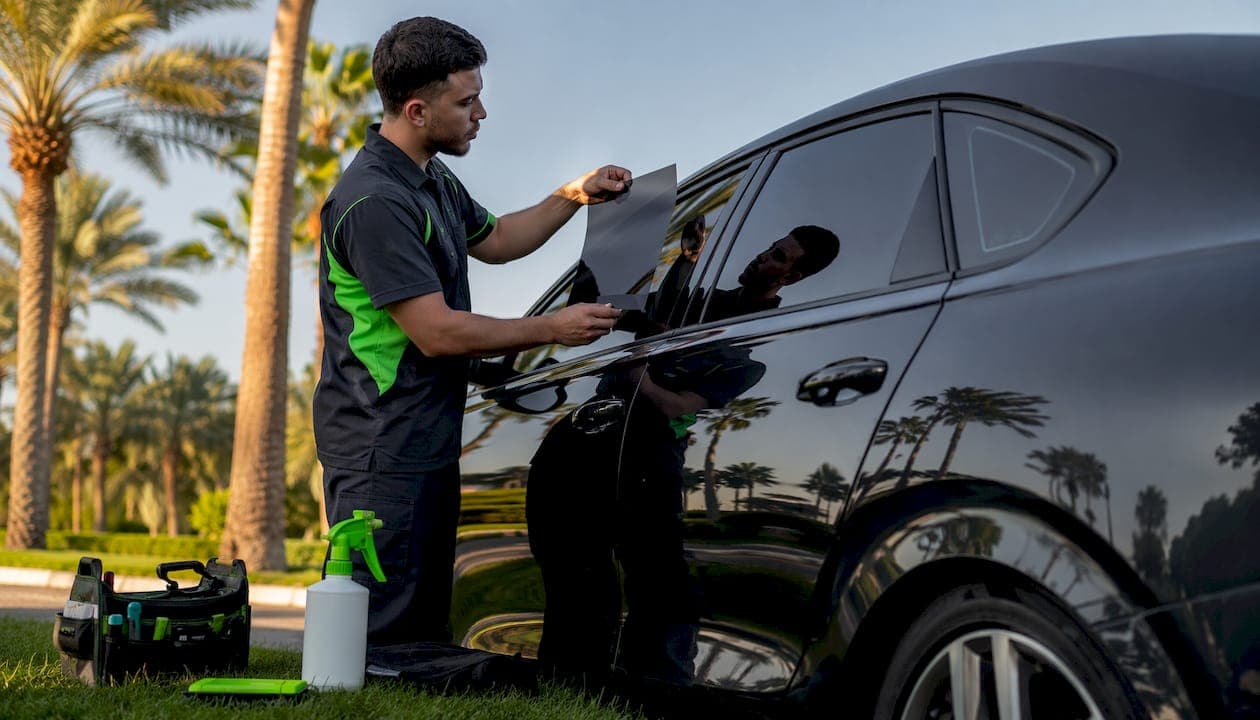
What is heat rejection tint and why does it matter?
The best heat rejection tint doesn't just darken your windows. It actively blocks the solar energy that turns your parked car into an oven, protecting your interior, your skin, and your air conditioning system all at once.
Heat rejection tint is a specialized window film engineered to reduce the amount of solar energy entering your vehicle by reflecting or absorbing infrared (IR) radiation and ultraviolet (UV) light. Infrared radiation is the primary driver of heat buildup inside a car, and high-performance films target it directly. Premium ceramic films can block a very high percentage of UV and reject a large portion of infrared energy, creating a measurably cooler cabin even on the hottest days.
Here is what quality heat-blocking window tint delivers:
- Solar heat reduction: Reflects and absorbs IR radiation before it heats your seats, dashboard, and steering wheel
- UV protection: Blocks over 99% of UV rays, protecting occupants from skin damage and preventing upholstery fade
- Interior preservation: Shields electronics, leather, and plastics from UV and heat degradation
- Energy efficiency: Reduces the load on your air conditioning, which matters especially for EVs where AC draws directly from the battery
- Glare reduction: Cuts eye strain during low-angle sun conditions, particularly relevant for Southern California driving
The industry standard for measuring overall performance is Total Solar Energy Rejection (TSER). The higher that number, the less heat gets through.
Table of Contents
- The key metrics behind window tint heat rejection performance
- How do the main tint types compare on heat rejection?
- Common myths about heat rejection tints that cost drivers money
- Expert tips for choosing and maintaining your heat rejection tint
- How heat rejection tint performs across different US climates
- Tintandwrapscustoms installs the films that actually reject heat
- Key Takeaways
The key metrics behind window tint heat rejection performance
Understanding three core metrics lets you cut through marketing language and compare films honestly.
- Total Solar Energy Rejection (TSER): The percentage of total solar energy the film prevents from entering the vehicle. This is the single most useful number for comparing heat rejection across different films. A TSER of 63% means 63% of incoming solar energy never makes it inside. Nano-ceramic films from brands like Opti-Coat reach 63% TSER on their darkest shades, while 3M's Crystalline Series reaches up to 64% TSER.
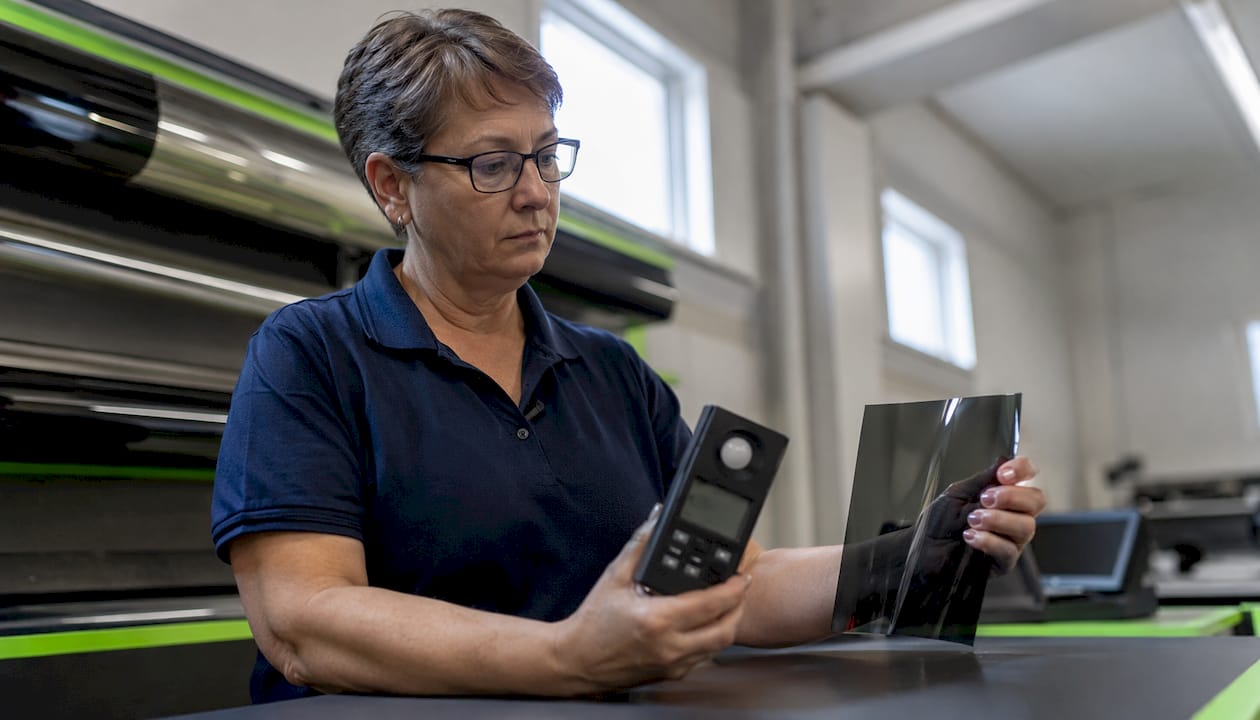
- Infrared Rejection (IRR): The percentage of IR radiation the film blocks. IR makes up the bulk of the heat you feel from sunlight. Films tested across the full 780–2500 nm spectrum give you an honest number; films tested only over a narrow band like 900–1000 nm can report inflated figures.
- Visible Light Transmission (VLT): The percentage of visible light that passes through the film. Lower VLT means a darker tint. State laws regulate minimum VLT levels for driver-side windows, so this metric also determines legality.
- UV Rejection: Separate from heat rejection, UV blockage protects skin and interiors. Most quality films, including dyed ones, block up to 99% of UV rays, though UV rejection alone does not translate to strong heat rejection.
Pro Tip: When reading a film's spec sheet, always check whether IR rejection is measured over the full 780–2500 nm range. Some manufacturers test narrower IR bands to report higher numbers. Full-spectrum testing is the only honest comparison.
How do the main tint types compare on heat rejection?
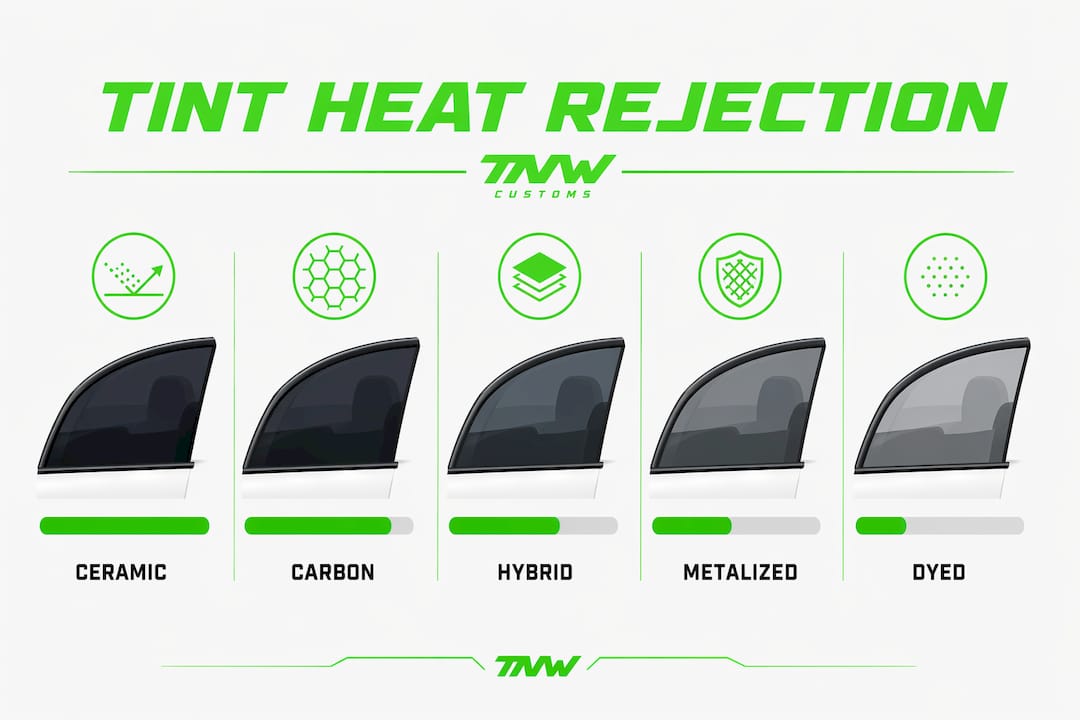
Not all window films work the same way, and the differences in heat rejection performance are significant.
Dyed film
Dyed film is the most affordable option and the weakest performer for heat rejection. It absorbs solar energy rather than reflecting it, which means heat builds up in the film itself and radiates back into the cabin. Dyed tints fade over time and offer the lowest TSER of any film category. If heat reduction is your goal, dyed film is the wrong tool.
Metalized film
Metalized films embed tiny metallic particles that reflect solar energy away from the glass. They perform better than dyed films on heat rejection and add structural strength to the window. The catch: those metallic particles interfere with GPS, cellular, and satellite signals, which is a real problem in modern vehicles loaded with infotainment systems, and a critical one for EVs.
Carbon film
Carbon tint is a meaningful step up. It blocks a solid portion of infrared radiation, holds its color without fading, and does not cause signal interference. Car and Driver notes that carbon tint blocks up to 40% of IR rays. It also provides year-round value by insulating against cold in winter. For drivers who want good heat performance without the premium price of ceramic, carbon is a strong choice.
Ceramic and nano-ceramic film
Ceramic tint is the top performer for heat rejection. Ceramic particles are non-conductive, so they block heat without disrupting any vehicle electronics. Ceramic particles block up to 50% of solar heat and 99% of UV rays. Nano-ceramic technology pushes performance further: Opti-Coat's nano-ceramic film rejects 87% of infrared radiation tested across the full IR spectrum, and 3M's Ceramic IR Series rejects up to 95% of infrared rays. The higher cost reflects genuinely better performance and longer durability.
Hybrid film
Hybrid films combine dye and metallic layers to balance heat rejection, appearance, and cost. They perform better than pure dyed films and avoid the mirror-like look of pure metalized films. Signal interference is reduced but not eliminated. They sit in the middle of the market on both price and performance.
| Film type | Heat rejection | Signal interference | Durability | Best for |
|---|---|---|---|---|
| Dyed | Low | None | Poor | Privacy on a budget |
| Metalized | Moderate | Yes | Good | Heat + strength, older vehicles |
| Carbon | Good | None | Very good | Balance of cost and performance |
| Ceramic/Nano-ceramic | Excellent | None | Excellent | Maximum heat and IR rejection |
| Hybrid | Moderate | Minimal | Good | Mid-range budget |
Common myths about heat rejection tints that cost drivers money
A few widely repeated beliefs lead vehicle owners to buy the wrong film.
- Myth: Darker tint means better heat rejection. This is the most common mistake. Tint darkness (VLT) and heat rejection are separate properties. A very dark dyed film can absorb heat and radiate it back inside, actually worsening cabin temperatures. Some dark dyed tints absorb heat and radiate it inward, while a nearly clear ceramic film can reject far more total solar energy.
- Myth: All tints block UV and heat equally. UV rejection and heat rejection are different metrics. Many cheap films block UV reasonably well but do almost nothing for infrared heat. A film's UV rating tells you nothing about its TSER.
- Myth: Metalized tints do not interfere with signals. They do. The metallic particles that make these films effective at reflecting heat are the same ones that disrupt GPS, satellite radio, and cellular reception. This is a documented limitation, not a rare edge case.
- Myth: Heat absorption equals heat rejection. Dyed films absorb solar energy. Absorption and rejection are not the same thing. Absorbed heat stays in the glass and transfers into the cabin. True heat rejection means the energy is reflected away before it enters the vehicle at all.
- Myth: Factory privacy glass provides heat protection. Factory dark glass is tinted for privacy, not solar control. It typically offers little infrared rejection and minimal TSER compared to aftermarket performance films.
Expert tips for choosing and maintaining your heat rejection tint
The film you choose matters, but so does how you evaluate it and care for it.
- Skip dyed films if heat is the priority. Experts consistently warn that dyed films worsen heat buildup by absorbing and radiating solar energy back into the cabin rather than rejecting it.
- Choose ceramic or nano-ceramic for the best results. These films deliver the highest TSER and IR rejection without any signal interference, making them the right choice for modern vehicles and EVs. You can read more about the advantages of ceramic films in automotive heat and protection applications.
- Verify full-spectrum IR testing. Ask for specs showing IR rejection across 780–2500 nm. A film claiming 96% IR rejection tested only at 900–1000 nm is not giving you the full picture.
- Check your state's VLT laws before buying. California, for example, requires front side windows to allow more than 70% light transmission. A film that performs well on heat rejection must also keep you legal.
- Maintenance is straightforward but specific. Wait at least three to five days after installation before rolling windows down, to let the adhesive cure fully. Clean tinted windows with ammonia-free cleaners only. Ammonia degrades the film over time, reducing both clarity and performance.
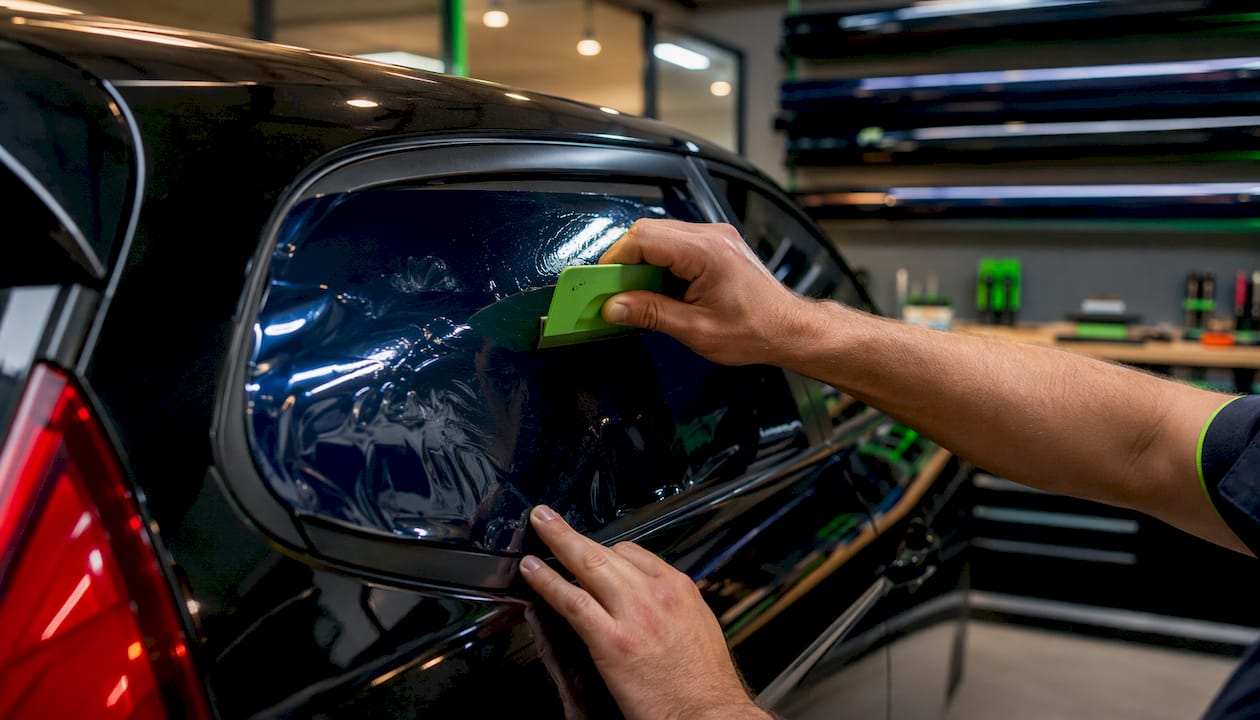
- Professional installation protects your investment. Bubbles, lifting edges, and poor cuts all reduce a film's effective coverage. A climate-controlled installation environment eliminates dust contamination, which is one of the most common causes of premature film failure.
- Look for manufacturer-backed warranties. Quality nano-ceramic and carbon films typically carry lifetime warranties against fading, bubbling, and color change. That warranty is only as good as the installer honoring it.
Pro Tip: You cannot reliably judge a film's heat rejection by looking at it. Two films at the same VLT shade can have dramatically different TSER values. Always ask for the spec sheet, not just the shade number.
For a broader look at how dyed and reflective tints compare in real-world heat management, automotive detailing resources break down the practical differences in depth.
How heat rejection tint performs across different US climates
The value of window tinting for heat rejection shifts depending on where you drive, but it delivers measurable benefits in every US climate zone.
Desert Southwest (Arizona, Nevada, Southern California): This is where high-TSER ceramic films earn their price fastest. Ambient temperatures regularly exceed 100°F, and parked car interiors can reach dangerous levels within minutes. A film rejecting 60%+ of total solar energy makes a tangible difference in cabin temperature and reduces AC runtime, which directly extends EV range. Van Nuys and the broader San Fernando Valley sit squarely in this category.
Southeast and Gulf Coast (Florida, Texas, Louisiana): High humidity compounds heat discomfort. Films with strong IR rejection reduce the radiant heat load even when ambient temperatures are slightly lower than the desert. UV protection is equally critical here given year-round sun exposure and the intensity of UV radiation at lower latitudes.
Pacific Northwest and Upper Midwest: Heat rejection tint still performs in these climates during summer months, though the payoff is less dramatic than in the Southwest. The UV protection benefit remains constant regardless of temperature, and carbon films offer the added advantage of mild insulation during cold winters.
Northeast and Mid-Atlantic: Seasonal use is the main consideration. A ceramic film installed for summer heat also provides UV protection year-round, making it a practical choice even in climates where extreme heat is limited to a few months.
The one consistent finding across all climates: UV blockage is valuable everywhere, every season. Heat rejection performance scales with solar intensity, but no US region is exempt from UV exposure.
Tintandwrapscustoms installs the films that actually reject heat
If you have spent time reading spec sheets and comparing TSER numbers, you already know the gap between a quality ceramic film and a cheap dyed one. The next gap is between a quality film installed correctly and the same film installed poorly.
Tintandwrapscustoms installs nano-ceramic and carbon window films in a climate-controlled facility in Van Nuys, CA, which eliminates the dust contamination that causes bubbling and lifting in standard shop environments. Every installation comes with manufacturer-backed warranties, and the team has hands-on experience with Tesla and EV installations where signal integrity is non-negotiable. With over 1,000 vehicles protected and a 5-star rating from customers across the San Fernando Valley, the work speaks for itself.
If you are ready to stop guessing and get a film spec that matches your vehicle and your climate, get a quote from Tintandwrapscustoms today.
Key Takeaways
Ceramic and nano-ceramic window films deliver the highest heat rejection performance, blocking up to 64% of total solar energy (TSER), up to 87% to 95% of infrared radiation depending on test method and product, and over 99% of UV rays, without interfering with vehicle electronics.
| Point | Details |
|---|---|
| TSER is the right metric | Total Solar Energy Rejection tells you more about real-world heat performance than VLT or UV rating alone. |
| Darker does not mean cooler | Dark dyed films absorb heat and radiate it inward; ceramic films reject heat regardless of shade. |
| Full-spectrum IR testing matters | Verify IR rejection is measured across 780–2500 nm, not a narrow band that inflates the number. |
| Metalized films carry a real trade-off | Signal interference with GPS, cellular, and satellite systems makes metalized films a poor fit for modern and electric vehicles. |
| Tintandwrapscustoms | Professional nano-ceramic and carbon film installation in Van Nuys, CA, with manufacturer warranties and EV expertise. |